 Security
How to Run a Website Security Audit in 15 Minutes (Free Checklist + Tool)
A basic website security audit checks six things: HTTPS and certificate health, HTTP security headers, cookie flags, email authentication (SPF, DMARC), DNS protections (CAA, DNSSEC) and a security.txt contact. You can check all six passively in about 15 minutes with a free scanner, then fix the gaps in priority order.
 Growth & SEO
AI Citation Audit: 15 Checks to Get Your Website Cited by ChatGPT, Perplexity and Gemini
To be cited by ChatGPT, Perplexity or Gemini, a page must be crawlable by their bots, clearly structured, factually specific and attributable. An AI citation audit checks robots.txt access, schema markup, headings, answer-first formatting, readability, authorship, dates and sources. Fix crawler access and structure first; they gate everything else.
 AI Automation
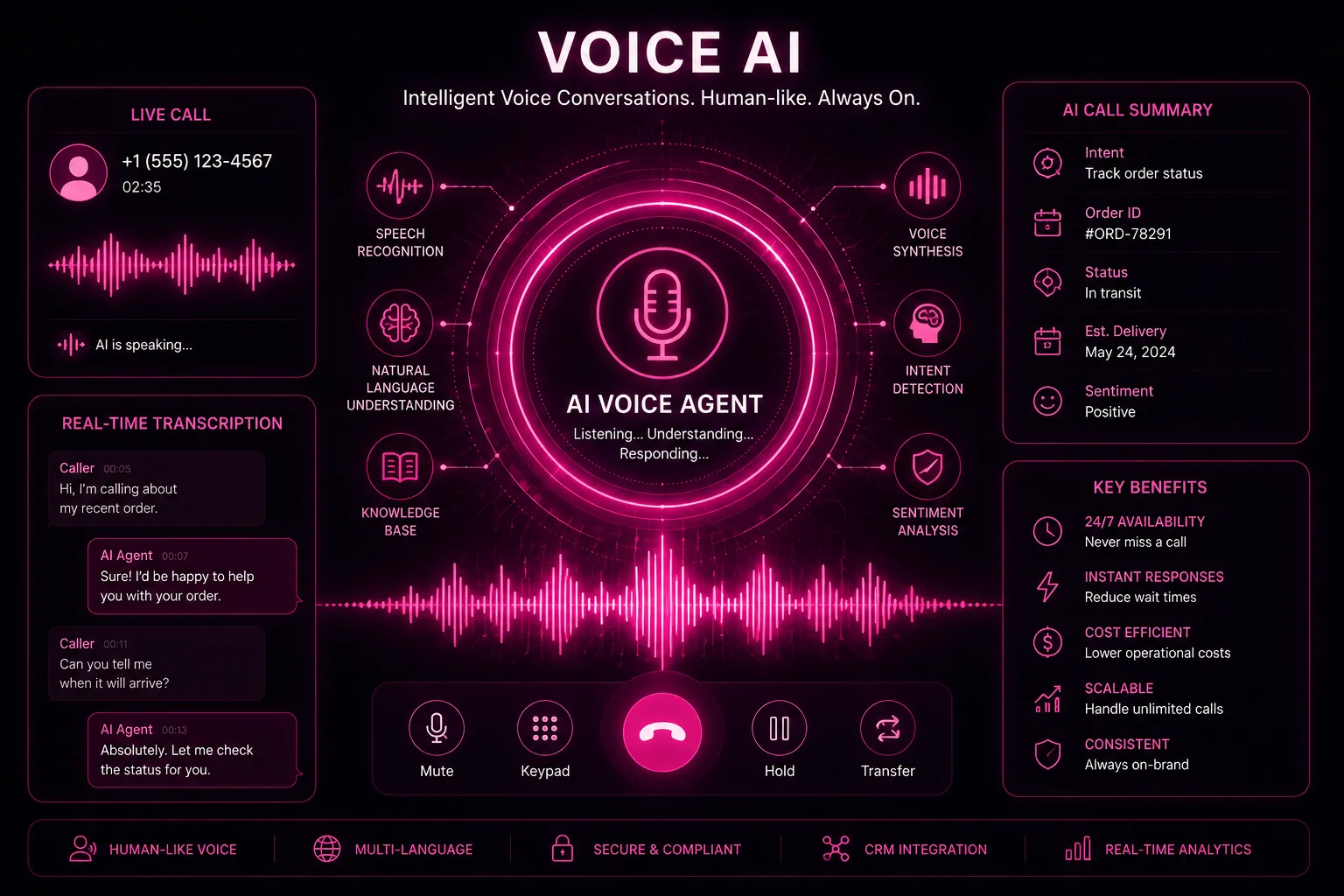
AI Answering Service vs Human Answering Service: Cost, Quality and When to Use Each (2026)
An AI answering service answers every call instantly, 24/7, for a flat monthly fee, and can book jobs and text summaries. A human answering service handles emotional or complex calls better but charges per minute and can queue at peak times. Most small businesses get the best result from AI first, with transfer to a person for emergencies and VIPs.
 AI Automation
AI Appointment Booking: How to Automate Scheduling and Cut No-Shows (2026 Guide)
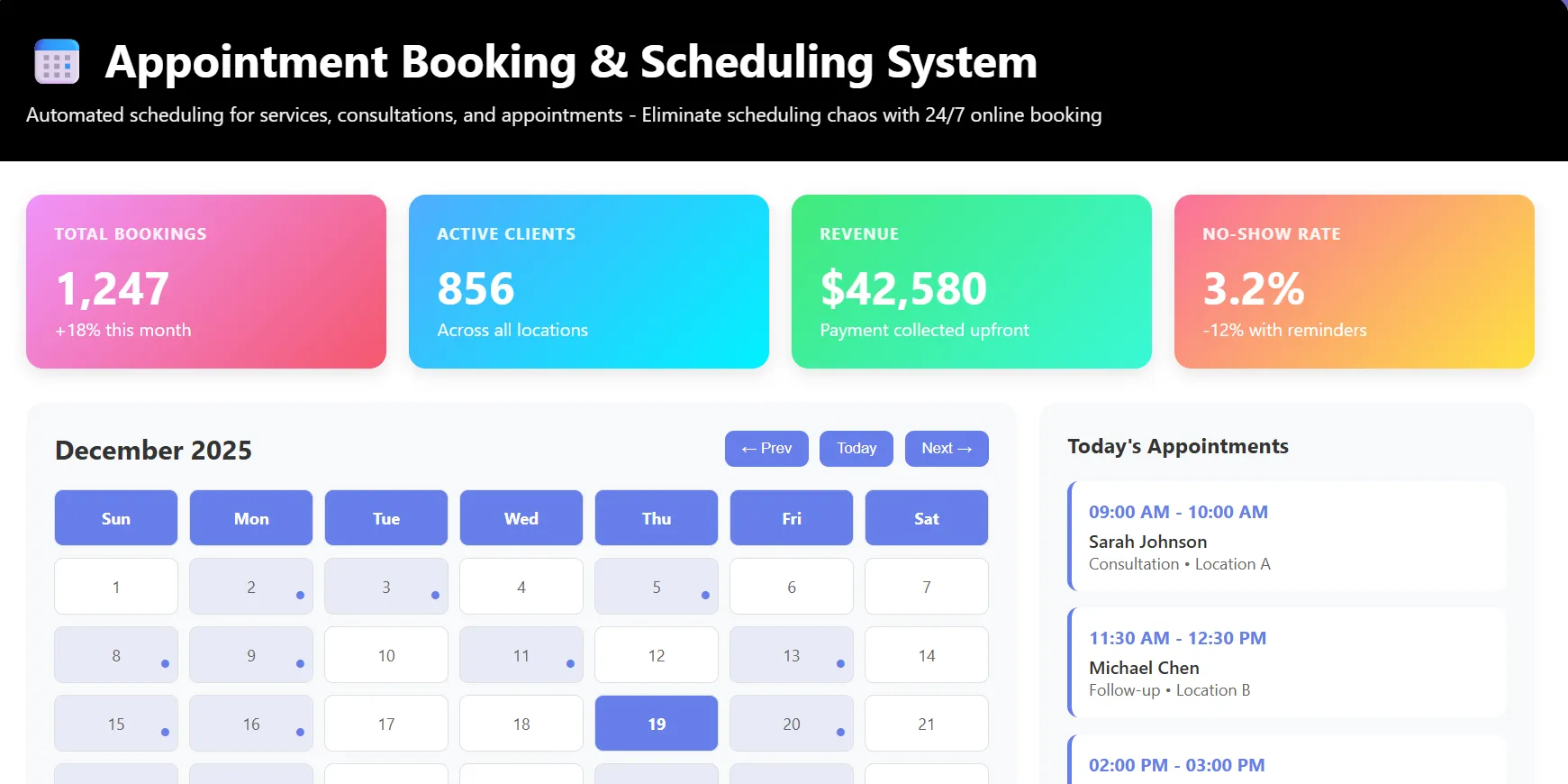
AI appointment booking lets customers book, reschedule or cancel by phone, website chat or WhatsApp 24/7, directly into your calendar. Combined with automated reminders, one-tap confirmation and waitlist rebooking, it fills more slots and reduces no-shows. Start with your booking rules, connect the calendar, then add reminders and a deposit policy for high-value slots.
 AI Automation
WhatsApp AI Chatbot for Business: Setup, Pricing Model and Use Cases (2026)
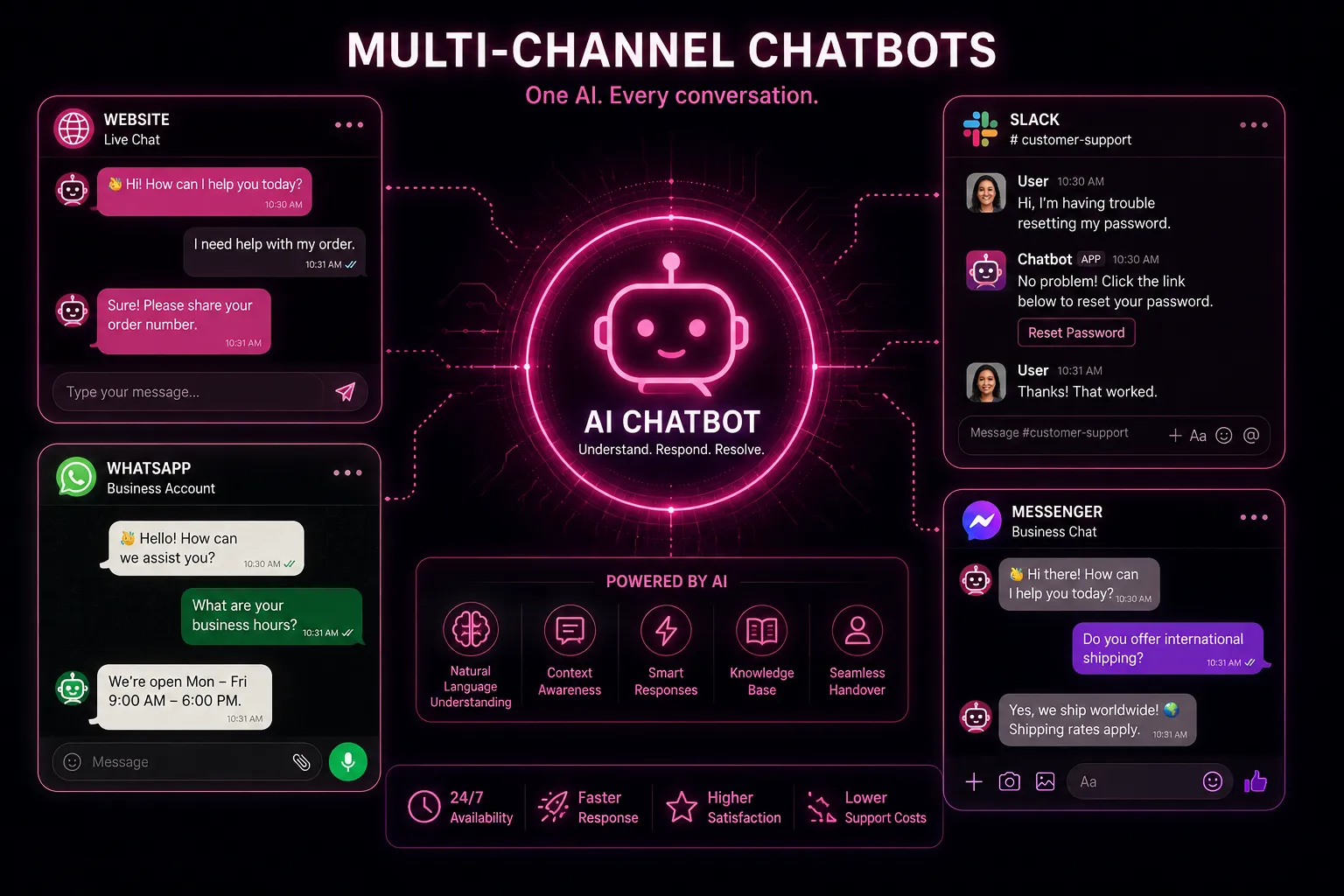
A WhatsApp AI chatbot runs on the WhatsApp Business Platform (Cloud API). Customers message you, the AI answers questions, qualifies leads, books appointments and hands off to staff. Meta charges per delivered template message by category and country; replies inside the 24-hour customer service window are free. Launch with opt-in, approved templates and a clear human handoff.
 AI Automation
Speed to Lead: Why the First 5 Minutes Decide Your Sales, and How to Automate Follow-Up
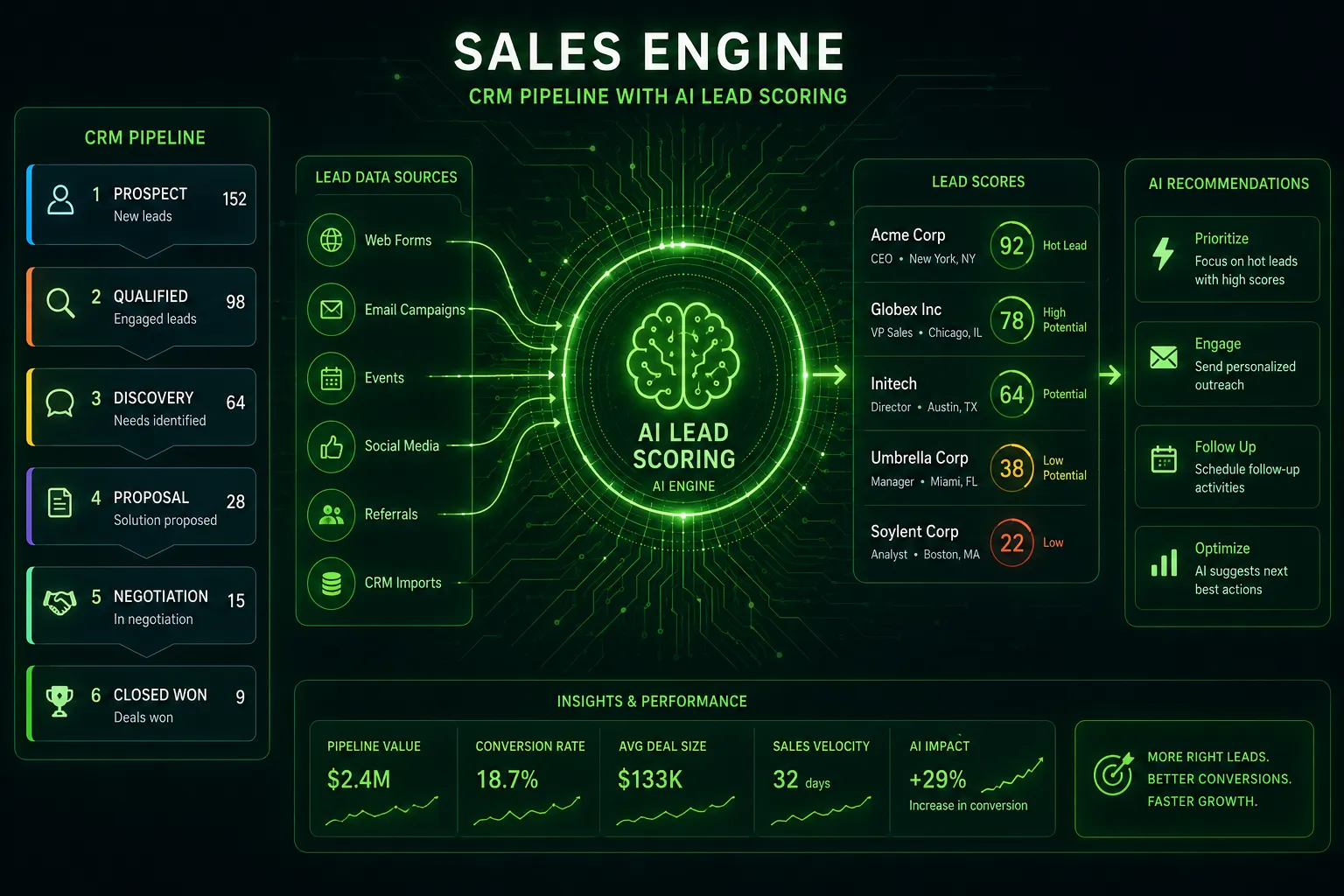
Speed to lead is the time between a lead's enquiry and your first meaningful reply. Faster replies win more deals because the buyer is still engaged and has not contacted a competitor. Automate an instant reply on the same channel, qualify with two or three questions, book a call, then run a 7-14 day multi-channel follow-up sequence that stops the moment the lead replies.
 AI Automation
How Much Are Missed Calls Costing Your Business? (Formula, Worked Example and Fixes)
Missed call cost = missed calls per month x share that were new customers x booking rate x average job value (plus repeat value). Most businesses underestimate it because missed calls are invisible. Check your phone logs, run the free calculator, then fix it with call forwarding, missed-call text back or an AI receptionist.
 Operations Software
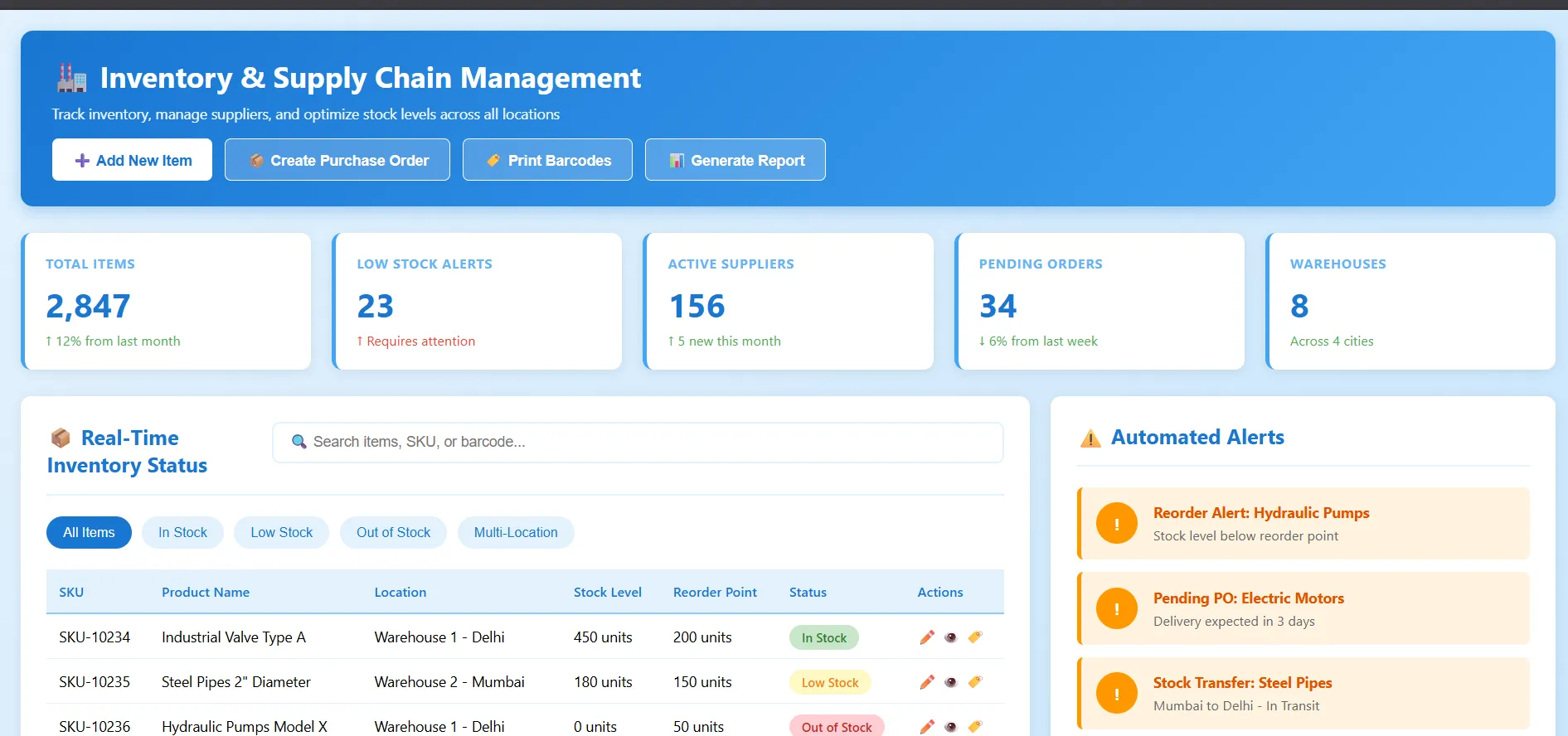
How to Calculate Equipment Downtime Cost (Formula, Examples and How to Reduce It)
Downtime cost per hour = lost production margin + idle labour + repair labour and parts + knock-on costs (overtime, expediting, penalties, scrap). Multiply by hours of unplanned downtime per year to get the annual cost per asset. Rank assets by that number and target the top few with preventive maintenance and a CMMS.
 Operations Software
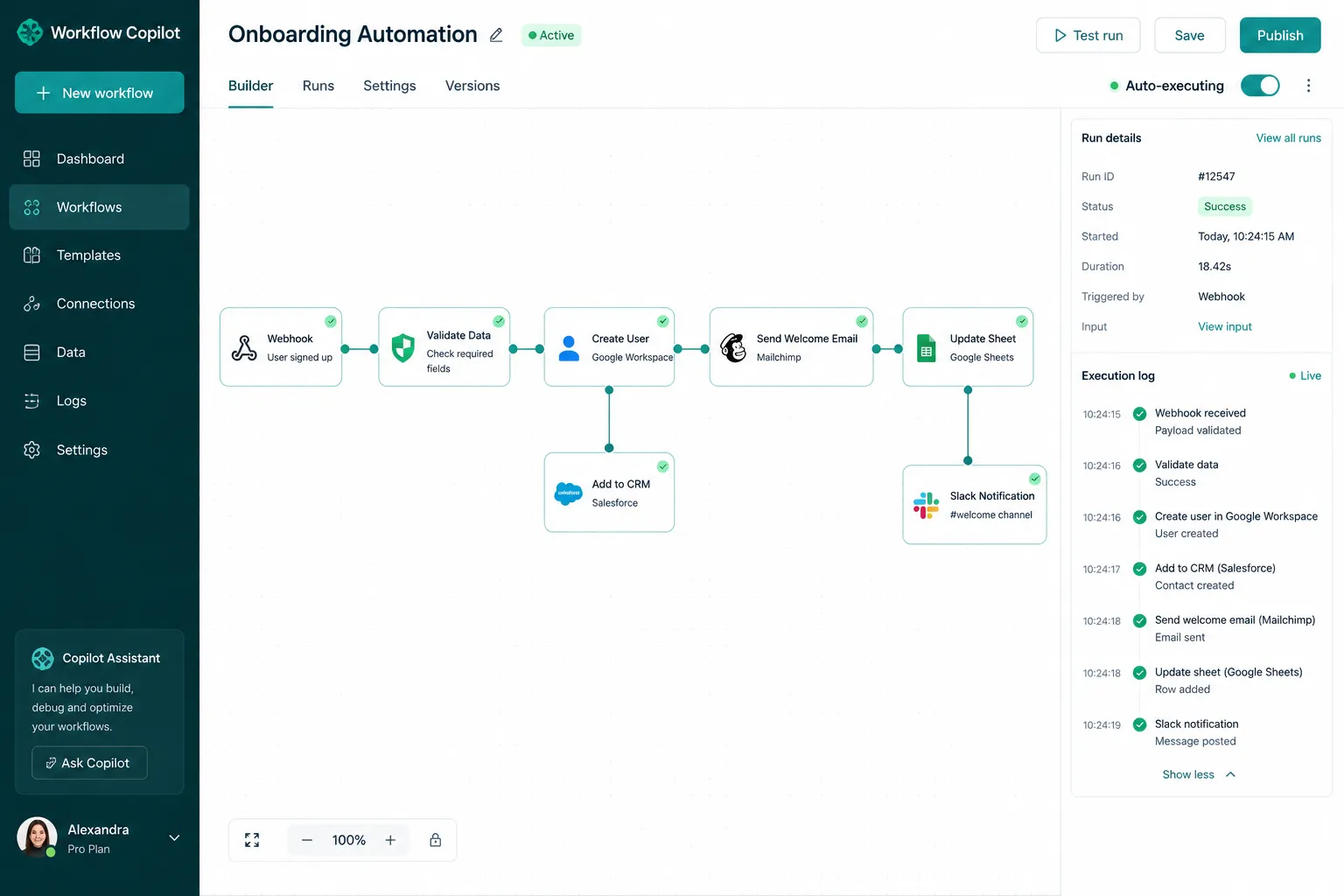
How to Create a Preventive Maintenance Schedule (Step-by-Step, with Template)
To build a preventive maintenance schedule: list critical assets, gather manufacturer recommendations and failure history, define tasks with time-based or usage-based triggers, assign owners and parts, load them into a CMMS or tracker, then review PM compliance weekly and adjust intervals based on results.
 AI Automation
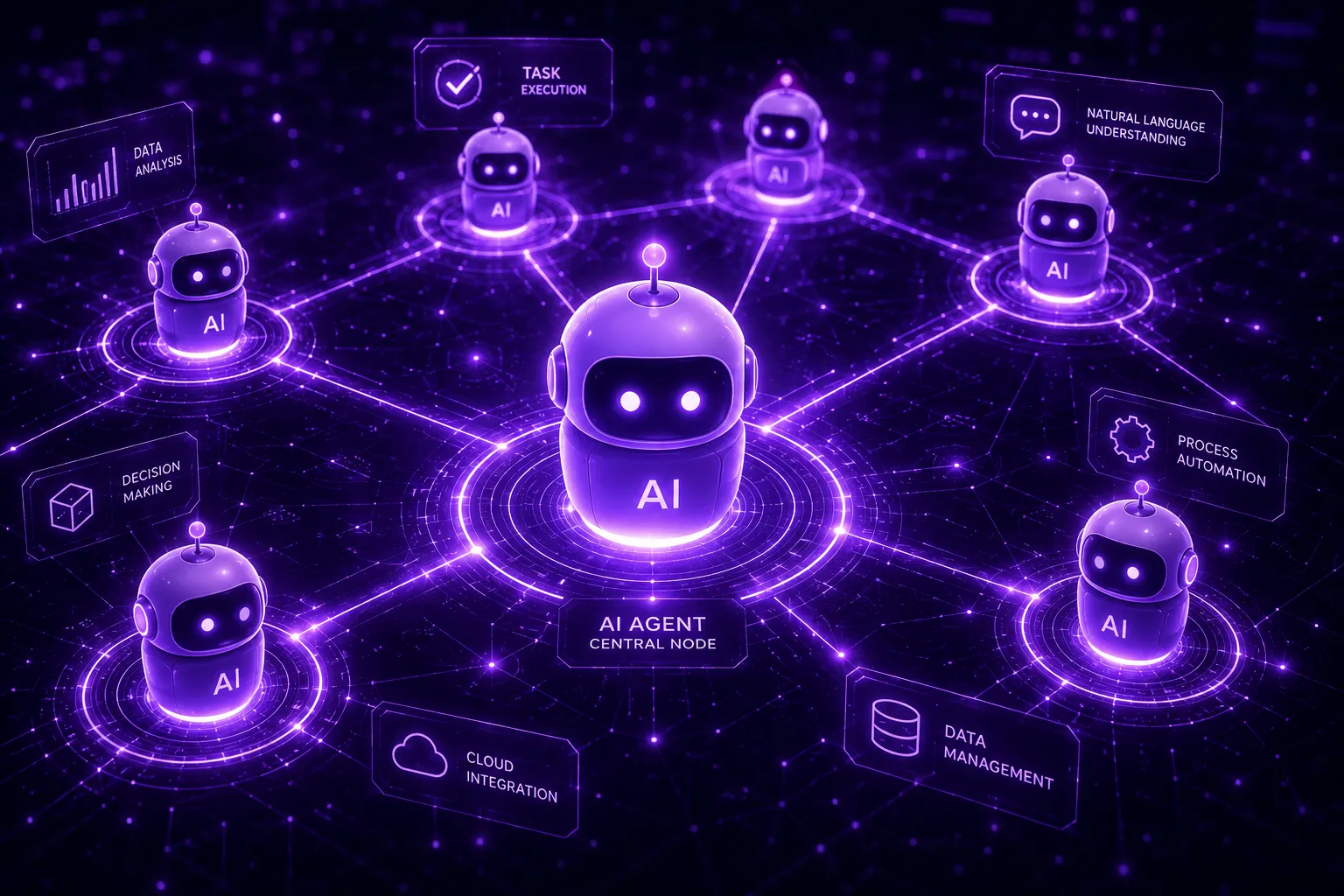
How to Set Up an AI Receptionist: A 7-Step Guide for Small Businesses
Setting up an AI receptionist takes a day or two: map your call types, write the knowledge base (services, prices, hours, policies), connect your calendar and CRM, set handoff rules for emergencies and VIPs, forward your number, test with real scenarios, then review transcripts weekly. The quality of your knowledge base and handoff rules decides how good it sounds.
 Growth & SEO
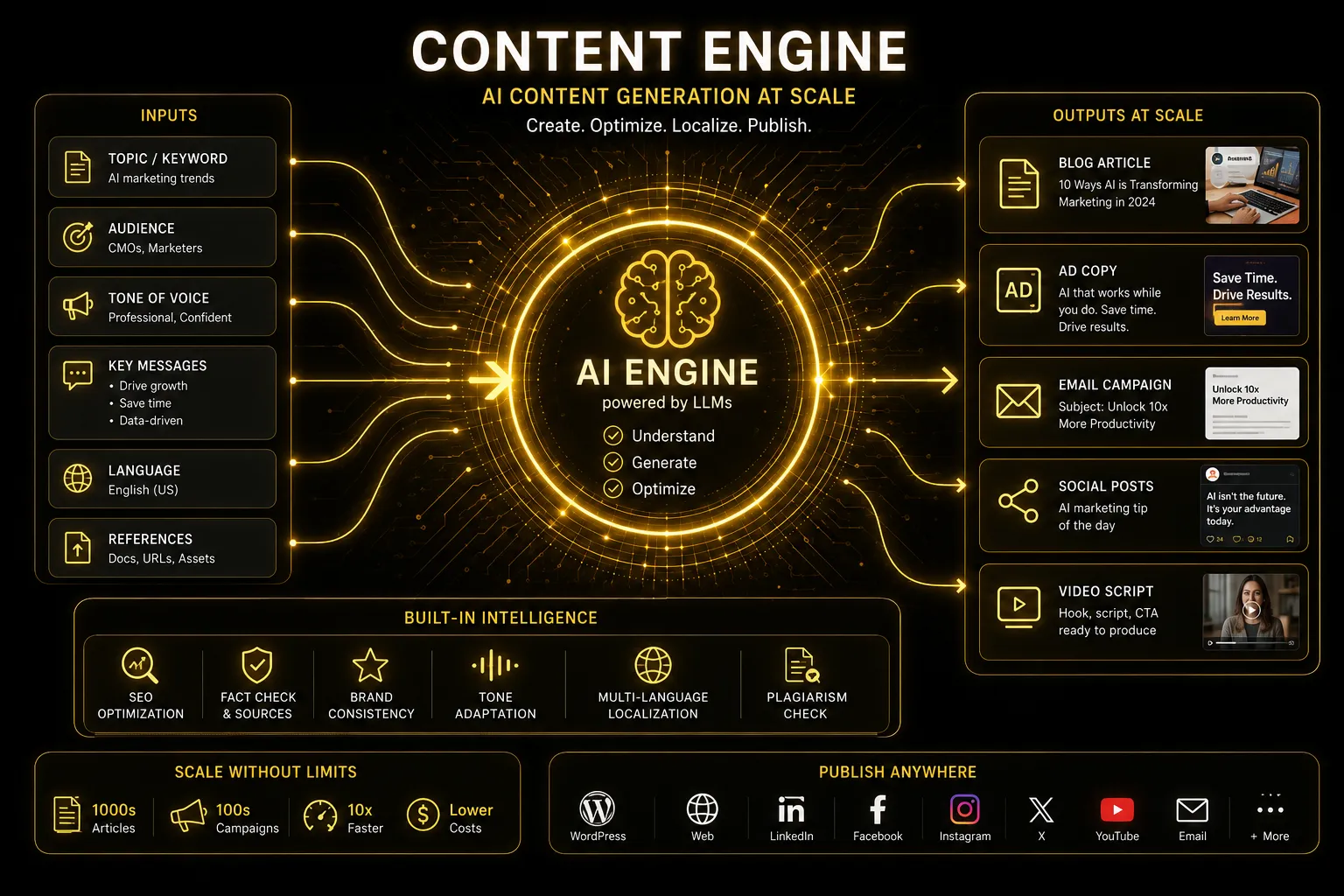
E-E-A-T Checklist 2026: 20 Signals That Show Experience, Expertise and Trust
E-E-A-T stands for Experience, Expertise, Authoritativeness and Trust. It is a framework from Google's Search Quality Rater Guidelines, not a single ranking factor, and Trust is the most important part. Show it with named authors and bios, first-hand evidence, cited sources, accurate dates, clear business details, secure pages and honest disclosures.
 Finance & Tax
GST Calculation Formula: How to Add or Remove GST (Inclusive vs Exclusive, with Examples)
To add GST: GST = price x rate / 100, and total = price + GST. To remove GST from an inclusive price: base price = inclusive price x 100 / (100 + rate), and GST = inclusive price - base price. Within a state, GST is split equally into CGST and SGST; between states, the full amount is IGST.
 Compliance
AI Disclaimer Examples: When Your Business Needs One and What It Should Say (2026)
You need an AI disclaimer when people interact with an AI system (chatbots, voice agents), when you publish AI-generated or AI-altered content that could be mistaken for human-made, and when AI output informs advice or decisions. A good disclaimer says what the AI does, its limits, that a human is available, and how data is used.
SecurityWebsite Security Headers Checklist 2026: CSP, HSTS, Permissions-Policy and the Rollout Order That Won't Break Your Site
Eight HTTP response headers block most browser-side attacks: Strict-Transport-Security, Content-Security-Policy, X-Frame-Options (or frame-ancestors), X-Content-Type-Options, Referrer-Policy, Permissions-Policy, Cross-Origin-Opener-Policy and Cross-Origin-Resource-Policy. Roll them out in order of risk, ship CSP in report-only mode first, and re-scan after every deploy.
 Security
OWASP Top 10:2025 Explained: What Changed, What It Means for Your Web App, and What to Fix First
The OWASP Top 10:2025 keeps Broken Access Control at #1 (now including SSRF), moves Security Misconfiguration to #2, adds Software Supply Chain Failures at #3 and introduces Mishandling of Exceptional Conditions at #10. For most teams, the fastest wins are configuration hardening, dependency hygiene and server-side authorization checks.
Growth & SEOGoogle AI Mode SEO in 2026: How to Earn Inline Links and Citations (Updated for the October Changes)
Google AI Mode now shows inline links inside answers more often and is testing a block of official-site links for tasks that rely on one or two sources. Google's own guidance is that optimising for AI search is still SEO. The winners are crawlable pages with answer-first passages, clear entities, original information and a strong official-site signal for branded tasks.
ComplianceEU AI Act Update (October 2026): What the Digital Omnibus Delay Changes for Your AI Product, and What It Doesn't
Under the Digital Omnibus agreement, obligations for stand-alone high-risk AI systems (Annex III) move to 2 December 2027 and for AI embedded in regulated products (Annex I) to 2 August 2028. Prohibited practices (since February 2025) and general-purpose AI model duties (since August 2025) are unchanged, and the Article 50 transparency duties largely keep their original schedule.
 Security
Passkeys for Business Websites in 2026: How They Work, What They Cost to Add, and How to Roll Them Out Without Locking Users Out
Passkeys replace passwords with a cryptographic key pair stored in the user's phone, laptop or password manager and unlocked with Face ID, fingerprint or PIN. They are phishing-resistant, cannot be reused or leaked from your database, and are supported by all major platforms. Add them alongside existing sign-in first, offer them after login, and keep a tested recovery path.
 AI Engineering
Vibe-Coding Security: The 12 Risks Hiding in AI-Generated Apps (and a Checklist to Catch Them Before Launch)
AI-generated apps tend to fail security in predictable ways: secrets in client code, missing server-side authorization, disabled database row-level security, permissive CORS, unvalidated input, hallucinated or outdated packages and no rate limiting. A one-day review against a checklist, plus an automated configuration scan, catches most of them before launch.
AI AutomationAI Receptionist Cost in 2026: Real Pricing, Hidden Fees and ROI for Small Businesses
Most small businesses pay $50–$400 a month for an AI receptionist in 2026. Entry plans start around $30 but usually include only 50–150 minutes; the real cost driver is call volume, overage per minute, and integrations. It pays for itself if it saves one missed job or booking a month.
Growth & SEOGenerative Engine Optimization (GEO): How to Get Your Business Cited by ChatGPT, Perplexity and Google AI Overviews
GEO is the work of making your pages easy for AI answer engines to find, trust and quote. Start with solid SEO, then add answer-first passages, question-based headings, FAQ and Organization schema, an llms.txt file, crawler access for AI bots, fresh dates, and mentions of your brand on third-party sites.
AI EngineeringHow Much Does It Cost to Build an AI Agent in 2026? Build, Run and Hidden Costs
A single-purpose AI agent with real integrations typically costs $15,000–$75,000 to build in 2026, a multi-step or multi-agent system $80,000–$250,000+, and a simple workflow automation can start under $10,000. Budget a further 15–30% of the build cost per year to run it: model usage, monitoring, evaluation and updates.
AI EngineeringWhat Is MCP (Model Context Protocol)? A Plain-English Guide for Businesses in 2026
MCP (Model Context Protocol) is an open standard, introduced by Anthropic in November 2024 and since adopted by OpenAI, Google and Microsoft tools, that lets AI assistants connect to business tools and data through one common interface. Build one MCP server for a system and any compatible AI app can use it, which cuts integration work, provided you scope permissions carefully.
 Operations Software
How to Choose CMMS Software in 2026: A Practical Checklist for Maintenance Teams
Choose a CMMS on five things: preventive maintenance scheduled by calendar AND meter or run-hours, a mobile app technicians can use offline, an asset register with history, spare-parts tracking tied to work orders, and reports on PM compliance, MTTR and MTBF. Run a trial with your own technicians before you sign.
 AI
Enterprise RAG: How to Build Accurate, Private AI Systems | Zetsapp
Teams frequently ask "should we fine-tune or use RAG?" as if it's binary. In production, the strongest systems use both: RAG for dynamic factual grounding, and light fine-tuning (or just careful prompting) for output style, tone, and domain-specific reasoning patterns. Don't fine-tune to teach the model facts — that's what retrieval is for.
 United States
How Much Does Custom Software Development Cost in the US in 2026?
US custom software development costs in 2026 range from $30k for a focused MVP to $500k+ for enterprise. Here's what actually drives the number, when to consider a US-hour offshore team, and what to expect from each price band.
 AI
AI Agents for Business: Use Cases, Implementation Guide & ROI in 2026 | Zetsapp
The most common mistake in discovery calls is a stakeholder describing a chatbot project using agent language ("it should be smart and handle anything"). Before scoping anything, get explicit about which systems the agent needs write access to. If the answer is "none, it just answers questions," you likely need a well-grounded RAG chatbot, not an agent — simpler, cheaper, faster.
 AI Engineering
AI Agents vs RAG vs Fine-Tuning: A Decision Framework for CTOs
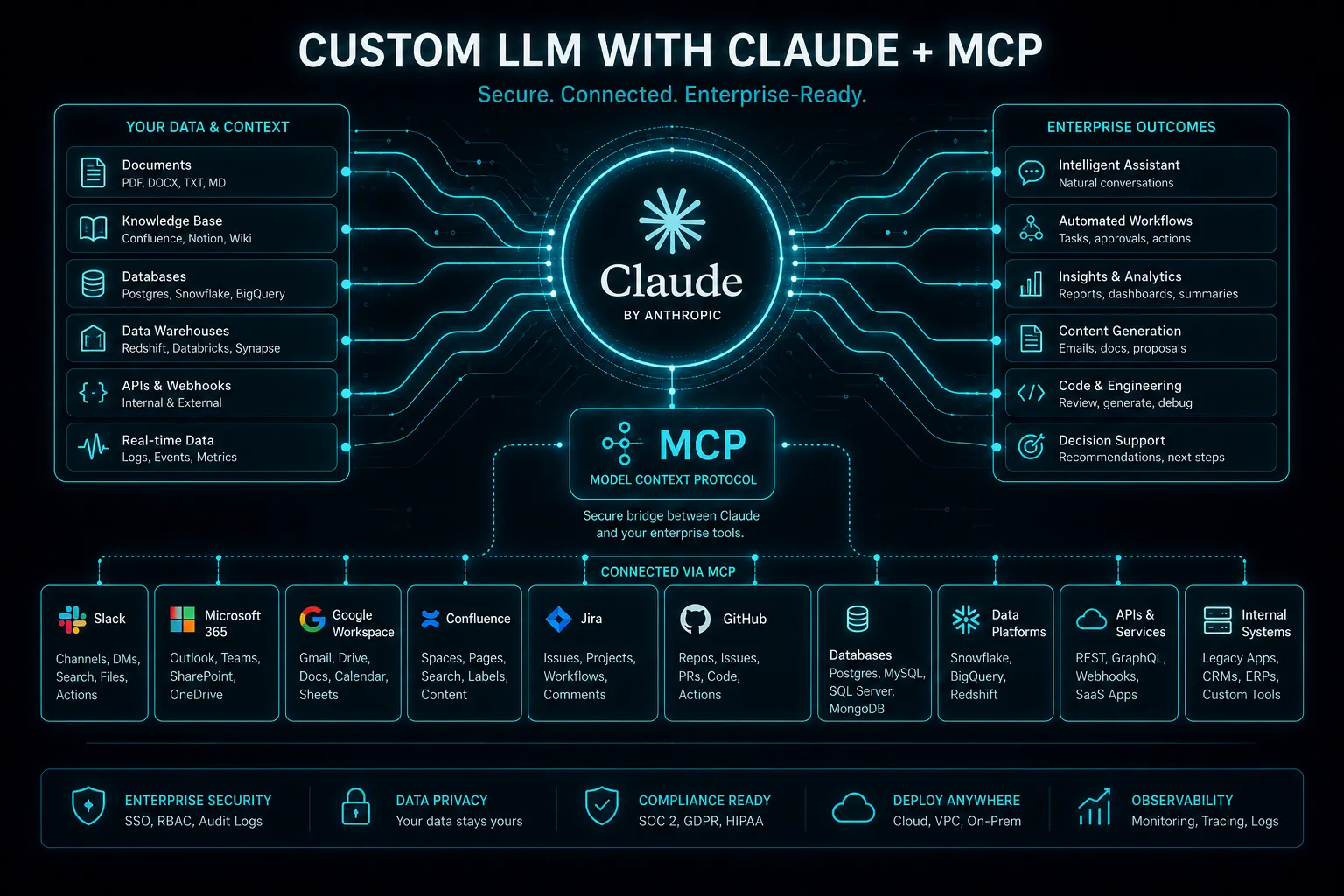
AI agents, RAG, and fine-tuning solve different problems, cost different money, and fail in different ways. This is the decision framework we use with CTOs before scoping any production AI engagement.
 General
How Microchips Are Made: The Complete CPU Fabrication Process Step by Step | Zetsapp
Here's the thing most chip articles miss: the "nm" number in modern process node names (TSMC 3nm, Intel 4nm, Samsung 3nm) does not correspond to any physical dimension on the chip. This was true when Intel's 45nm node launched in 2007 and became increasingly disconnected from reality thereafter. TSMC's "3nm" node has a gate pitch (the distance between gates) of approximately 48nm — not 3nm.
 General
How Hard Disk Drives Work: Inside the Spinning Metal That Still Stores Most of the Internet | Zetsapp
Here's the thing most explainers skip: that internal air isn't just "kept clean," it's engineered. Traditional HDDs are filled with filtered, dry air at roughly atmospheric pressure because the read/write head relies on aerodynamic lift from that specific air density to fly at the correct height — too thin an atmosphere and the head flies too low or crashes; too thick and it flies too high to read reliably.
 Dubai / UAE
Building a Free-Zone-Ready SaaS in the UAE: Legal, Hosting & Payment Setup
Building a SaaS from Dubai or the UAE in 2026? Here is the practical setup — which free zone to pick, where to host, which payment stack works, and how VAT actually applies to SaaS revenue.
 General
How GPUs Actually Work: The Nvidia GA102 Architecture Decoded Inside the RTX 3090
GPU acceleration is limited by the fraction of your workload that's actually parallel. Amdahl's Law states: if 90% of a program can be parallelized, the maximum speedup from infinite parallel processors is 10× — not infinite. The 10% sequential bottleneck always limits total speedup. In GPU-accelerated ML training, the actual workload split is typically: 85-95% embarrassingly parallel tensor operations
 Dubai / UAE
Custom Software Development Cost in Dubai (2026 Guide)
How much does custom software development actually cost in Dubai in 2026? Real ranges by scope — MVP, SaaS, enterprise, mobile — plus the hidden costs UAE buyers routinely miss.
 General
How GPUs Actually Work: The Nvidia GA102 Architecture Decoded Inside the RTX 3090 | Zetsapp
GPU acceleration is limited by the fraction of your workload that's actually parallel. Amdahl's Law states: if 90% of a program can be parallelized, the maximum speedup from infinite parallel processors is 10× — not infinite. The 10% sequential bottleneck always limits total speedup. In GPU-accelerated ML training
 AI
The Shift to Cloud 3.0: Architecting Low-Latency Apps With Distilled On-Device AI | Zetsapp
The Shift to Cloud 3.0: Architecting Low-Latency Apps With On-Device AI :root { --sp: 0.28s; } [data-theme="dark"]…
 AI
Move Over Prompt Engineering: Agentic Orchestration Is the New Coding Skill | Zetsapp
The most effective Manager Agent implementations share four design principles: (1) Explicit capability registry — the manager knows exactly what each worker agent can and can't do, and this knowledge is structured data, not emergent from a system prompt. (2) State-based rather than event-based coordination — the manager tracks the current state of each agent and the overall goal rather than responding to events as they arrive.
 AI
Physical Intelligence: How VLA Models Are Giving Robots a Human Sense of Sight | Zetsapp
A rule of thumb emerging from physical AI research: 50-200 human demonstrations, collected via teleoperation or kinesthetic teaching (physically moving the robot's arm), is typically sufficient to train a VLA model to perform a new manipulation task reliably. This is orders of magnitude fewer than classical supervised learning requires — because VLA models bring vast world knowledge from pretraining.