Short answer: in 2026 most small businesses pay $50–$400 per month for an AI receptionist. Entry plans are advertised from roughly $30, but they typically include only 50–150 minutes of calls. What you really pay depends on three things: how many minutes of calls you take, the per-minute overage rate once you pass your plan, and whether booking, CRM and calendar integrations cost extra.
This guide breaks down the price tiers, the fees that are easy to miss, how an AI receptionist compares with a human or a call-answering service, and a one-line formula to check the return before you sign anything. If you need the basics first, see what an AI receptionist is.
AI receptionist pricing tiers in 2026
Published pricing pages across the market cluster into three bands. The figures below are ranges compiled from vendor pricing pages in October 2026; check each vendor's current page before buying, because plans change often.
| Tier | Typical monthly price | Included calls | Best for |
|---|---|---|---|
| Starter | $30 – $80 | 50 – 150 minutes | Solo trades, consultants, testing the idea |
| Professional | $150 – $400 | 300 – 1,000 minutes | Clinics, salons, home services, agencies |
| High volume / unlimited | $500 – $800+ | Unlimited or very high caps | Multi-location and busy front desks |
A useful rule of thumb: an average business call lasts two to four minutes. A business taking 15 calls a day uses roughly 900–1,800 minutes a month, which already sits beyond most starter plans.
The fees that do not show up on the pricing page
- Per-minute overage. Once you pass your plan, calls are commonly billed at roughly $0.25–$0.50 per minute. A busy week can double the bill.
- Setup or onboarding. Some vendors charge a one-off fee to script the call flow, load your FAQs and connect your calendar.
- Integrations. Booking into your calendar, logging leads in your CRM, or sending SMS follow-ups is sometimes locked to higher tiers.
- Phone numbers and SMS. Extra local numbers, text-back messages and international calls may be billed separately.
- Human handoff. Hybrid plans that route difficult calls to a live person cost noticeably more than AI-only plans.
AI receptionist vs human receptionist vs answering service
| AI receptionist | Human receptionist | Call answering service | |
|---|---|---|---|
| Monthly cost | $50 – $400 typical | Full salary plus benefits | Usually per-minute or per-call |
| Hours | 24/7, every day | Business hours | Often 24/7 |
| Simultaneous calls | Many at once | One | Depends on staffing |
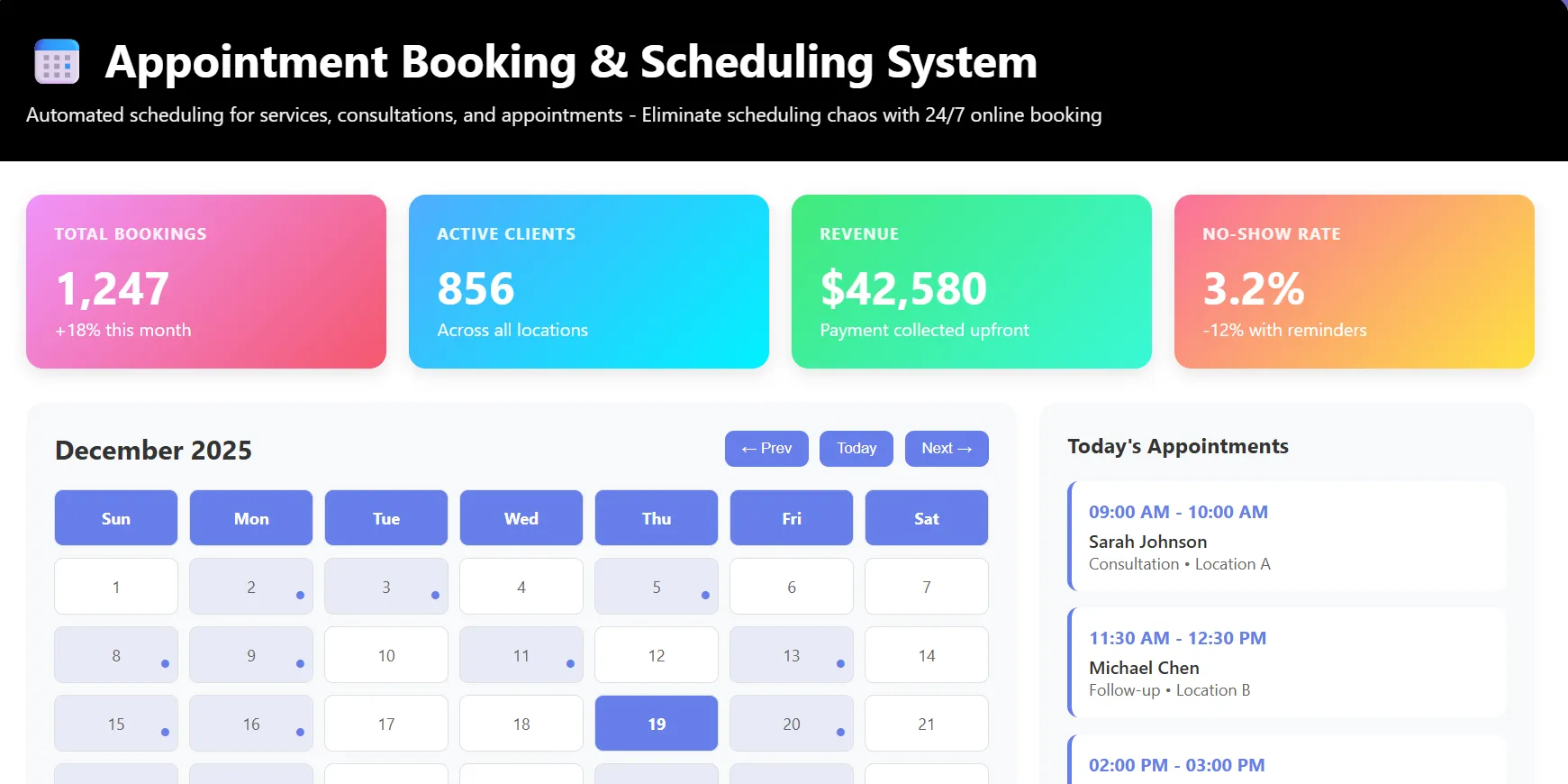
| Books appointments | Yes, directly into your calendar | Yes | Often takes a message only |
| Handles complex or emotional calls | Limited, so it should hand off | Best | Good |
The honest takeaway: an AI receptionist does not replace a great front-desk person for a premium in-person business. It replaces voicemail, the missed calls after hours, and the calls nobody can pick up while the team is busy. For most small businesses that is where the lost revenue is.
How to work out the ROI in one line
Monthly value = calls you currently miss per month × the share that would have booked × average job value.
Example: a plumbing business misses 40 calls a month. If even 10% would have booked a $250 job, that is $1,000 of recovered work against a $150–$300 subscription. You can check your own missed-call count in your phone provider's call log before you buy. That is real data, not a vendor estimate.
Related reading: why speed-to-lead matters and missed-call text-back, the cheapest automation to add alongside a receptionist.
What to check before you buy
- Listen to a real call. Ask for a live demo number and call it with your hardest question.
- Confirm the booking integration. It should write into the calendar you already use, not a separate one.
- Read the overage terms. Know the per-minute price and whether there is a monthly cap.
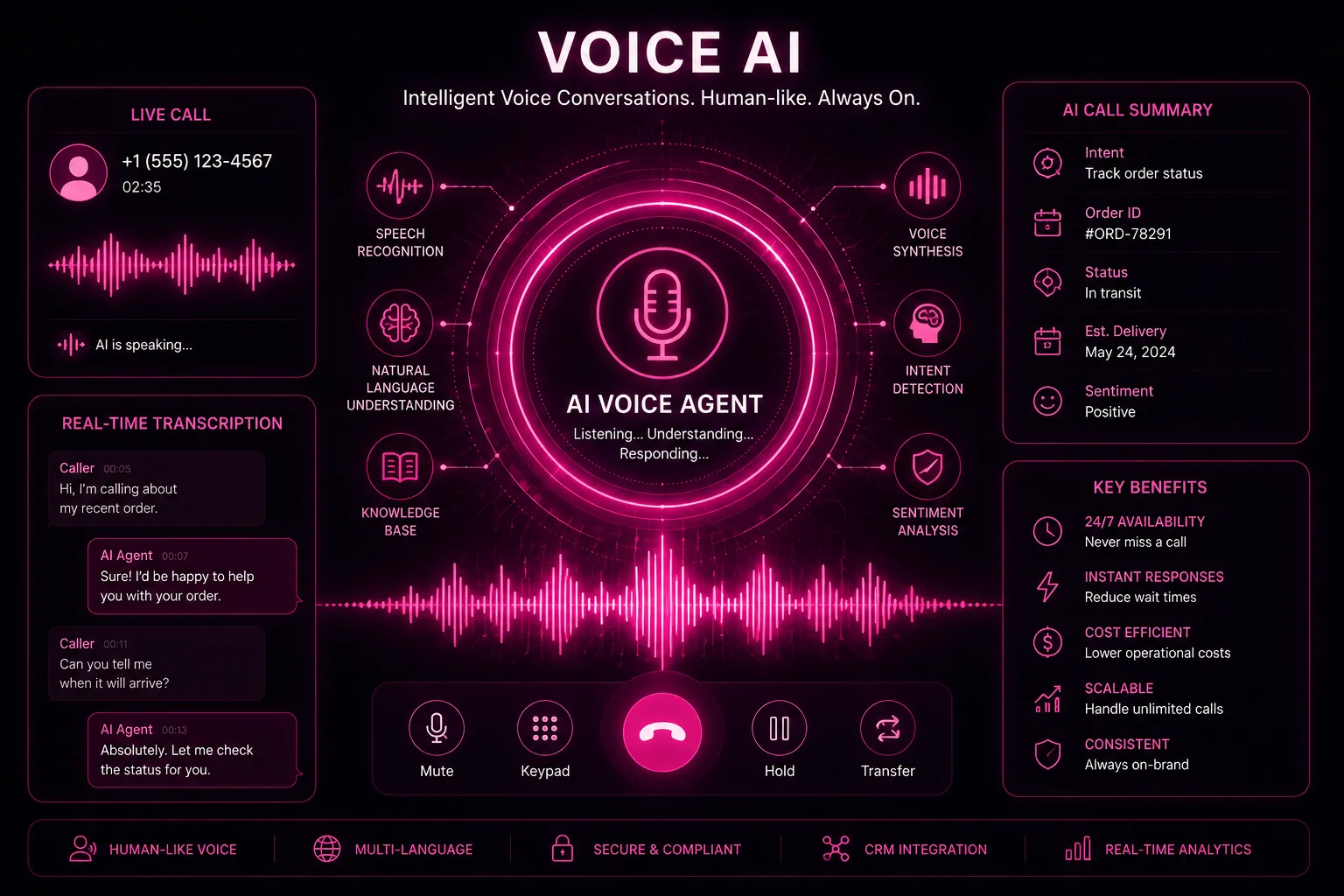
- Check the handoff. Urgent calls such as emergencies or complaints should transfer to a person or send an instant alert.
- Ask where recordings and transcripts are stored. This matters for regulated sectors; see HIPAA for healthcare.
- Start monthly. Avoid annual contracts until you have a month of call data.
When building your own makes sense
Off-the-shelf plans are the right choice for most small businesses. A custom AI voice agent makes sense when you need to look up live job or stock data, follow a regulated script, or connect to an in-house system that no vendor supports. ZetsApp offers both: the ready-to-use ZetDesk AI Receptionist, and custom AI automation when the standard product does not fit.
Frequently asked questions
How much does an AI receptionist cost per month?
Most small businesses pay between $50 and $400 a month in 2026. Starter plans begin around $30 but include few minutes, and high-volume or unlimited plans run $500–$800 or more.
Is an AI receptionist cheaper than a human receptionist?
Yes, by a wide margin on cost, and it answers 24/7 and handles several calls at once. A human is still better for complex, emotional or high-value in-person conversations, so many businesses use AI for overflow and after-hours calls.
Are there hidden costs with AI receptionists?
The common ones are per-minute overage once you exceed your plan, setup fees, paid integrations for calendars and CRMs, extra phone numbers or SMS, and higher prices for human-handoff plans.
Can an AI receptionist book appointments?
Yes. Good systems check live availability and book directly into your existing calendar or booking software, then send a confirmation by text or email.
How do I know if an AI receptionist is worth it?
Multiply the calls you miss each month by the share that would have become customers and by your average job value. If that number beats the subscription, it pays for itself.