Short answer: choose an AI answering service if most of your calls are routine (bookings, quotes, hours, "can someone come out?") and you lose business when calls go unanswered. Choose a human answering service if your calls are often emotional, high-value or legally sensitive. For most small businesses the best setup is hybrid: AI answers every call instantly and transfers emergencies or VIPs to a person.
New to the terms? See what an answering service is and what an AI voice agent is.
Side-by-side comparison
| Factor | AI answering service | Human answering service |
|---|---|---|
| Availability | 24/7/365, no holidays | Often 24/7, but depends on plan and staffing |
| Pick-up speed | First ring, unlimited simultaneous calls | Usually fast, but can queue at peak times |
| Pricing model | Flat monthly fee, sometimes with a minute allowance | Per minute or per call, plus a base fee |
| Cost as volume grows | Grows slowly | Grows in a straight line with minutes |
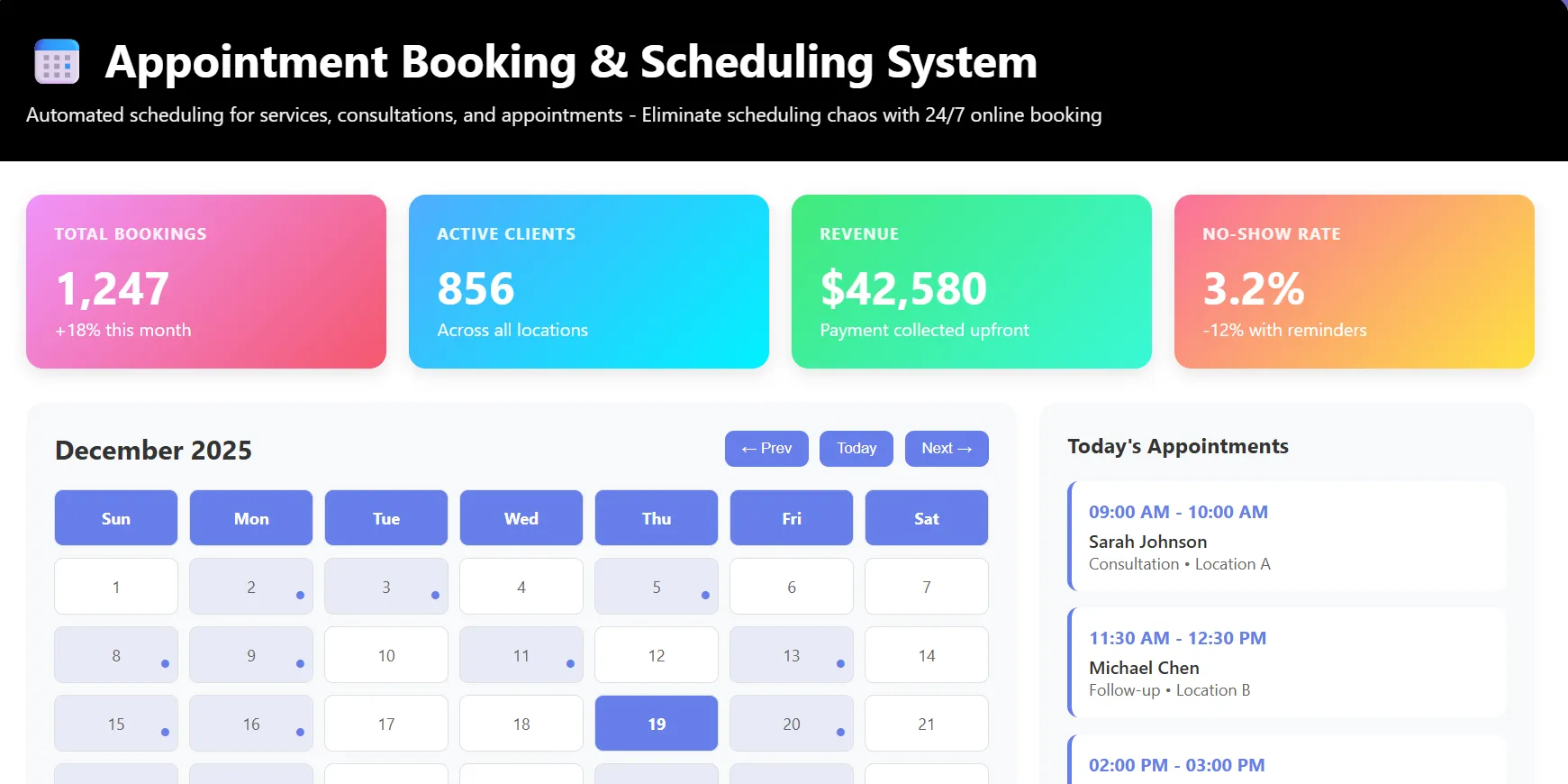
| Booking into your calendar | Yes, directly, if integrated | Often takes a message; some agents can book |
| Consistency | Same script, same answers, every time | Varies by agent and shift |
| Empathy and judgement | Good on routine calls, weaker on distress or conflict | Strong |
| Languages | Many languages from one setup | Limited to staffed languages |
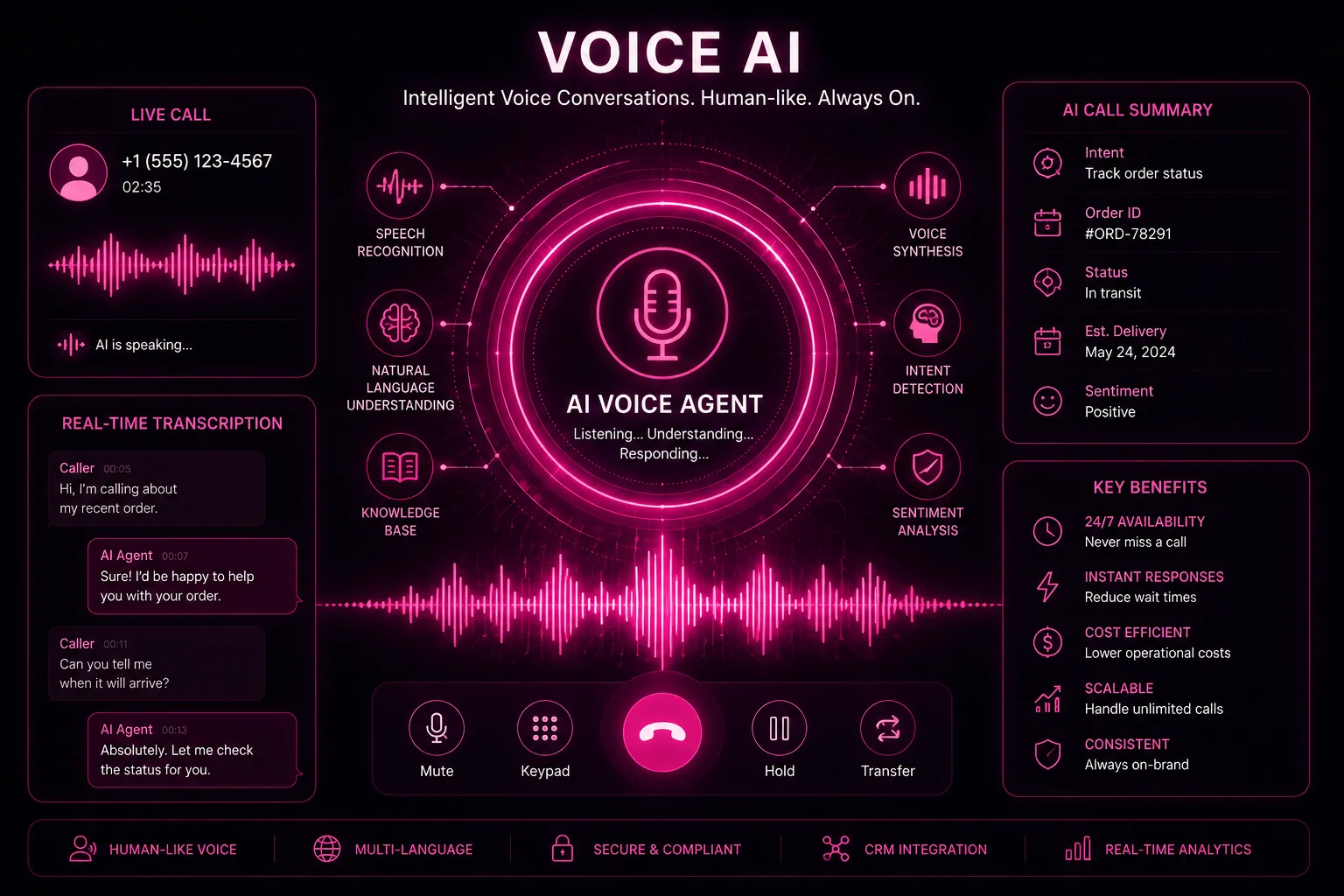
| Call summaries and data | Transcript, summary and CRM update for every call | Message notes, quality varies |
What each actually costs
Rather than quote list prices that change monthly, work out your own number:
- Human service: monthly calls x average minutes per call x price per minute, plus the base fee. A business with 300 calls a month at 3 minutes each pays for 900 minutes.
- AI service: the plan fee for your call volume, plus any setup. Check what happens above the minute allowance.
For realistic ranges and the hidden costs (setup, integrations, overage), see our breakdown of AI receptionist cost for small business.
The more important number is what unanswered calls cost you today. Use the missed call revenue calculator to put a monthly figure on it.
Where AI is clearly better
- After-hours and overflow calls for trades, clinics and agencies, where the caller simply wants to book or get a callback.
- High call volume with short calls, where per-minute billing adds up.
- Speed to lead: the caller is answered and booked before they ring the next business on the list. See speed to lead.
- Multilingual callers in mixed-language markets.
Where humans are clearly better
- Callers in distress: medical emergencies, bereavement, complaints that are escalating.
- Complex negotiations or high-value sales calls.
- Legal intake where wording and duty of care matter. AI can still take the first details and route the call.
The hybrid setup most businesses should use
- AI answers on the first ring, every time.
- It handles FAQs, captures details and books routine jobs straight into your calendar.
- Keywords such as "emergency", "flooding", "chest pain" or a VIP caller ID trigger an instant warm transfer to your on-call number or a live service.
- Every call ends with a text or email summary and a CRM record.
This keeps human minutes for the calls that need them, which is where most of the cost saving comes from.
Questions to ask any provider
- Can it book directly into my calendar or job system, and which ones?
- How does transfer to a human work, and how fast is it?
- Can I hear real recordings, and change the script myself?
- Is call recording disclosed, and how is consent handled for my region?
- Where are recordings and transcripts stored, and for how long?
Frequently asked questions
Do callers mind talking to an AI answering service?
Callers mostly mind being sent to voicemail or waiting on hold. A natural-sounding AI that solves their problem quickly is usually accepted, especially if it says it is an assistant and offers a person when needed.
Can an AI answering service handle emergencies?
It should detect them and transfer immediately, not try to solve them. Define emergency keywords and an on-call number during setup.
Is an AI answering service the same as IVR?
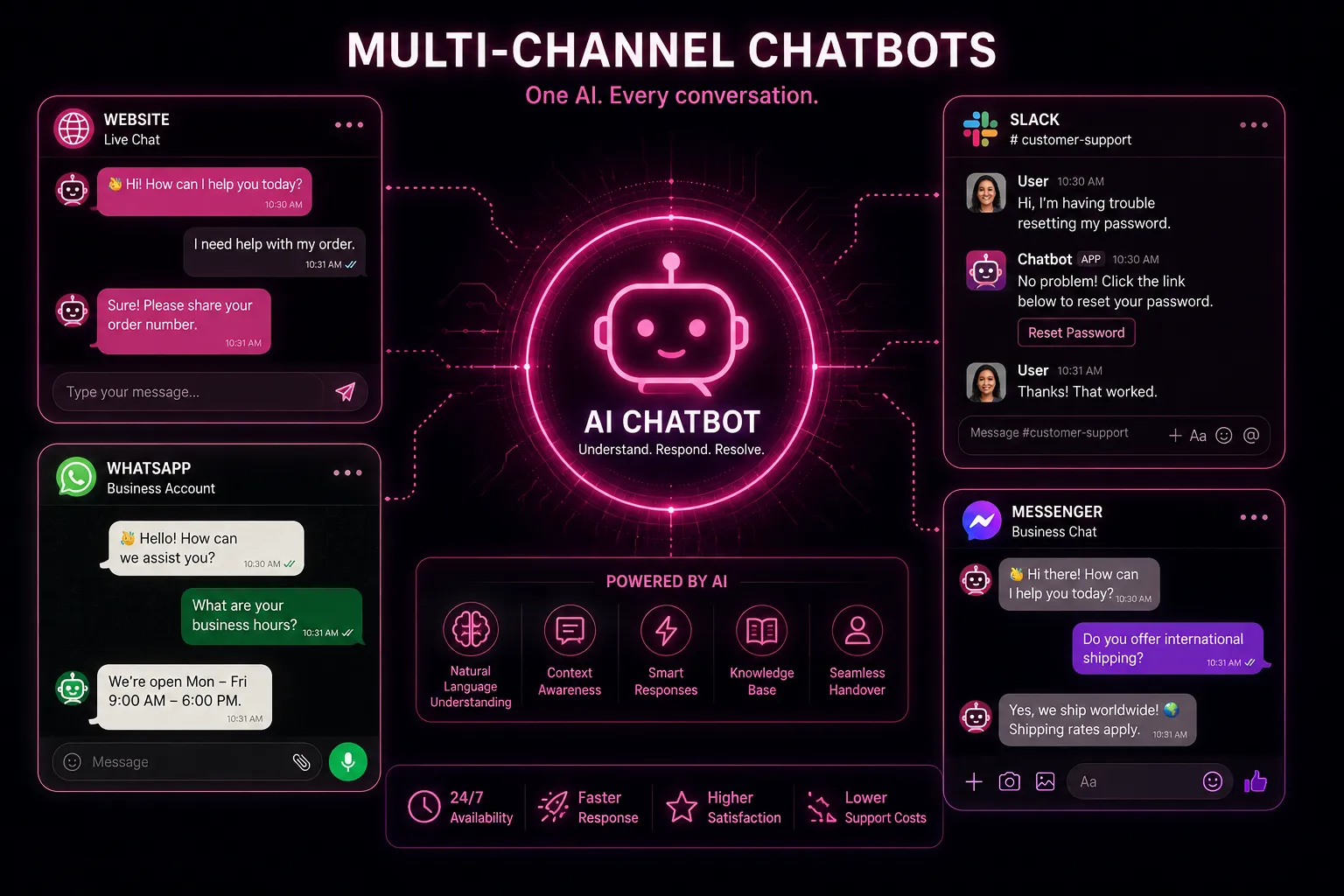
No. IVR makes callers press buttons through a fixed menu. An AI answering service holds a natural conversation and can complete tasks such as booking.
Can I keep my current phone number?
Yes. Most setups use conditional call forwarding, so calls you do not answer within a few rings go to the AI.
Try it on your own calls
ZetAnswer AI Call Answering Assistant answers, books and summarises every call, with instant transfer for emergencies. Trades businesses can see setups for plumbers, electricians and roofers.