Short answer: speed to lead is how long it takes you to respond to a new enquiry. Reply within five minutes, on the same channel the lead used, with a message that moves them to a next step (a booked call, a quote, a visit). Then follow up several times over one to two weeks across channels, and stop as soon as they reply.
Why response time matters so much
When someone fills in a form or calls, they are actively solving a problem right now. A few minutes later they are on a competitor's site or back at work. A widely cited Harvard Business Review study of more than 2,000 US companies found that firms that responded within an hour were several times more likely to qualify a lead than those that waited longer, and that the average response time was measured in days. The pattern has held up in many smaller studies since: the first business to reply properly usually wins.
The two most common failures are not about sales skill at all:
- Slow first reply: leads arrive evenings, weekends and during jobs.
- Too few follow-ups: one email, no answer, lead forgotten.
The follow-up cadence that works
| When | Channel | Message goal |
|---|---|---|
| 0-5 minutes | Same as the enquiry (form reply by SMS/email, call back, WhatsApp) | Confirm, ask 2-3 qualifying questions, offer booking link or times |
| Hour 1-2 | Phone call or voice AI | Talk while interest is highest |
| Day 1 | Useful info: pricing guide, case study, FAQ | |
| Day 2-3 | SMS or WhatsApp | Short check-in with one clear question |
| Day 5-7 | Email or call | Address the likely objection (price, timing, trust) |
| Day 10-14 | Polite close-out: "Should I close your file?" | |
| After that | Monthly newsletter | Long-term nurturing |
The sequence stops the moment the lead replies or books. Nothing annoys a buyer more than an automated "just checking in" after they have already signed.
What to automate (and what not to)
- Automate: the instant reply, qualifying questions, booking, reminders, the follow-up sequence, CRM logging, and alerts to the right salesperson.
- Keep human: pricing negotiation, complex scoping, and any lead the AI marks as high value or confused.
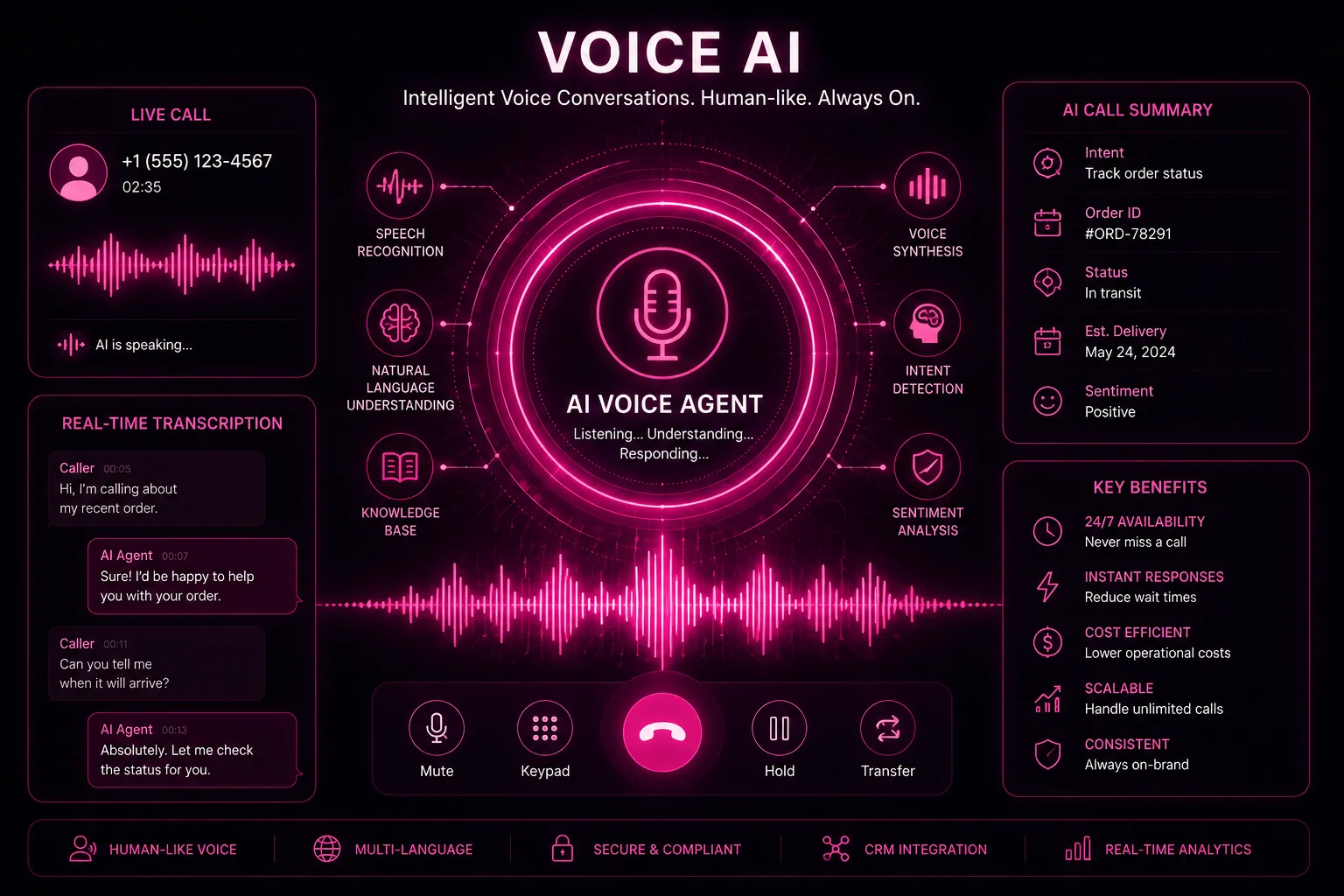
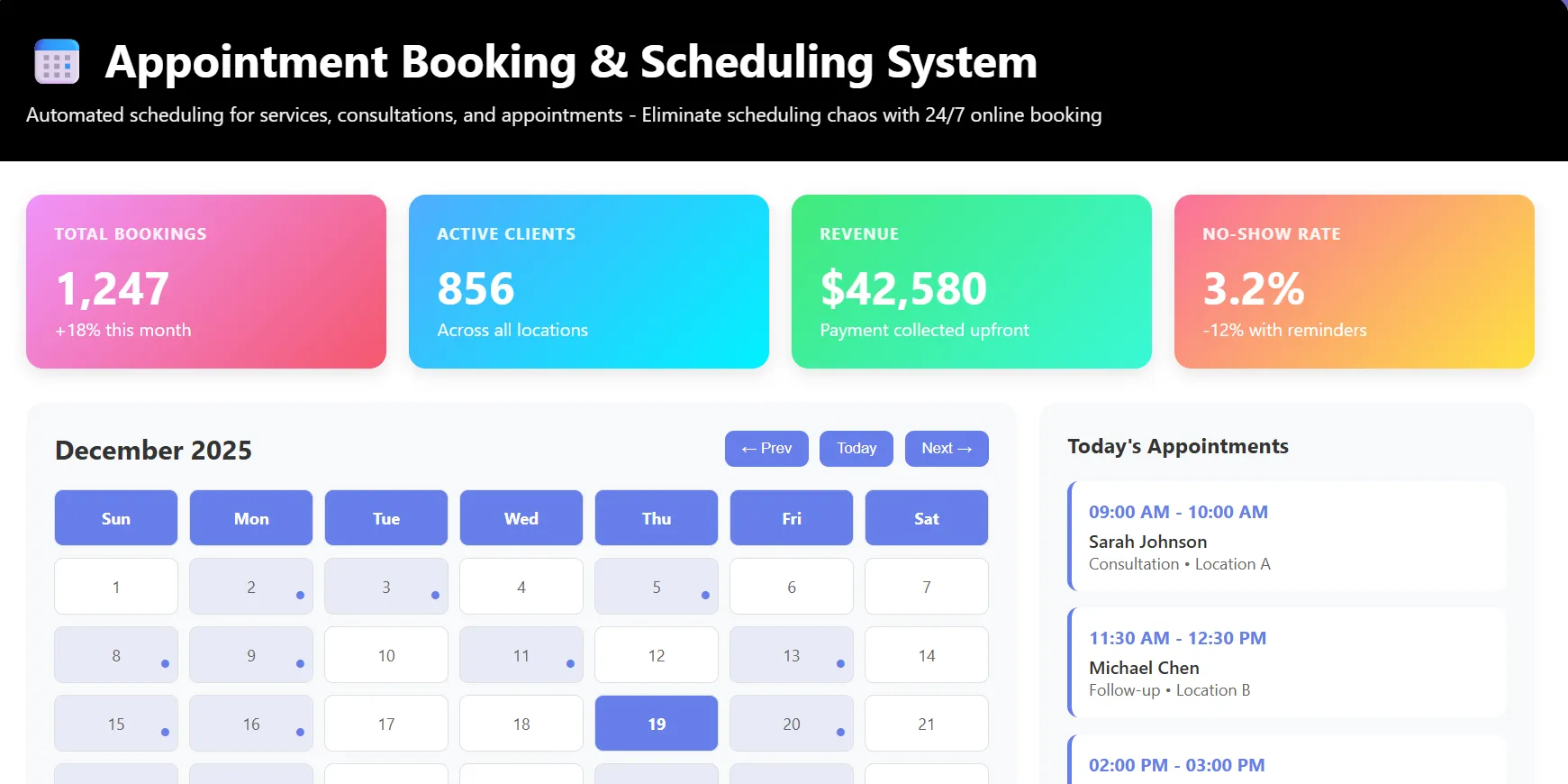
An AI follow-up assistant can read the enquiry, reply in natural language, answer common questions and book directly into a calendar, so even a 2 a.m. lead gets a useful answer instead of an autoresponder.
Qualify without interrogating
Ask only what you need to route the lead:
- What do you need? (service or product)
- Where? (if location matters)
- When? (urgency)
- Optional: rough budget or size.
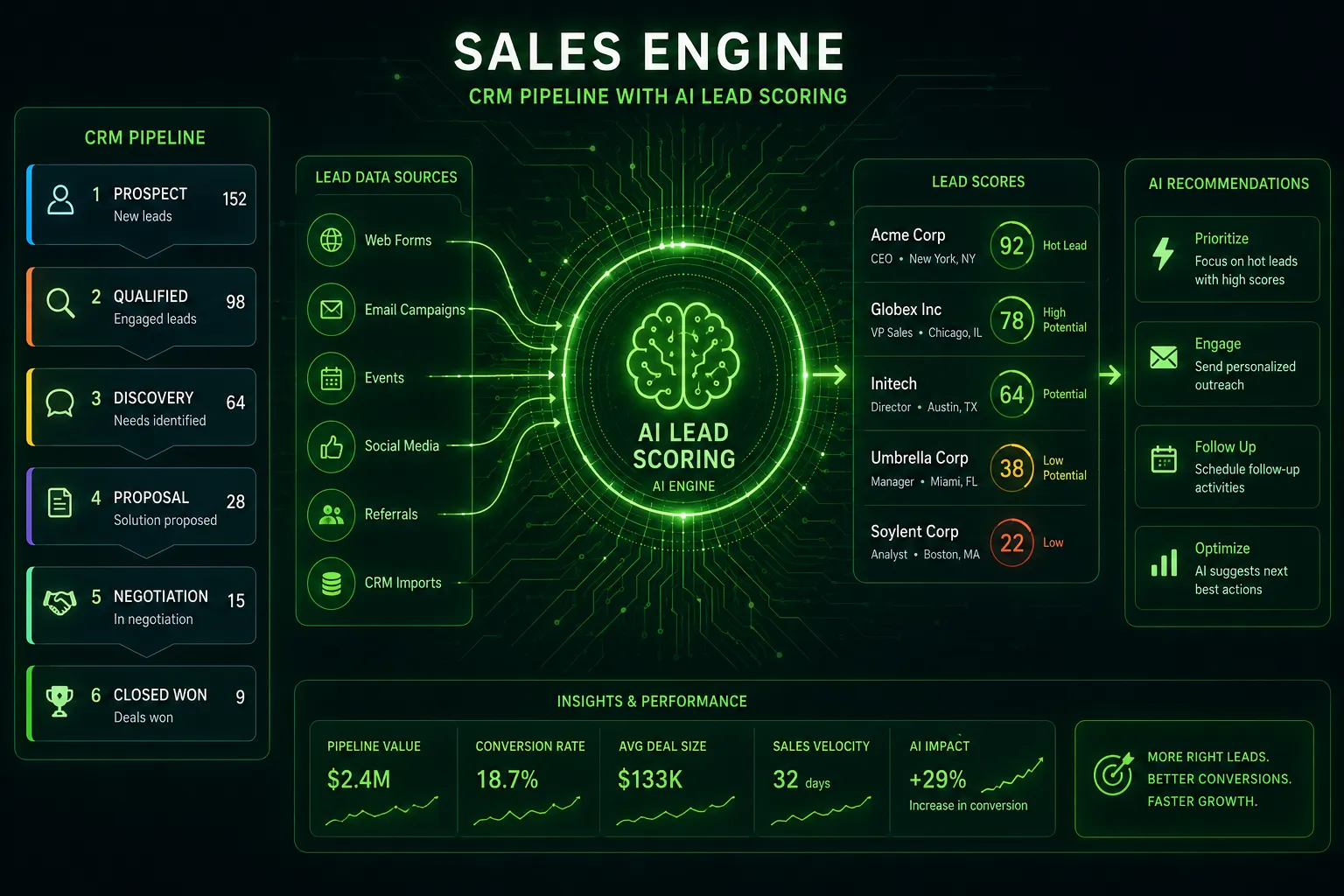
Feed the answers into lead scoring so hot leads go straight to a person and the rest enter the sequence.
Measure it
- Median first response time (not average; one weekend lead skews the average).
- Contact rate: share of leads you actually spoke to.
- Lead-to-appointment rate and appointment-to-sale rate.
- Revenue per lead by source, so you know which channels to fund.
Track these in your CRM along your sales pipeline stages.
Compliance basics
- Only text or call people who gave consent; in the US, automated texts and calls fall under the TCPA.
- Honour opt-outs instantly across every channel.
- Disclose AI where required, and always offer a person.
Frequently asked questions
How fast should I respond to a new lead?
Within five minutes is the practical target for inbound enquiries. Within an hour is the bare minimum; after that, contact and conversion rates fall sharply.
How many times should I follow up?
Five to eight touches over 10-14 days across two or three channels is a sensible default for inbound leads. Stop immediately when they reply or ask you to stop.
Is an autoresponder enough?
No. "We received your message" does not move the lead forward. The first reply should answer, qualify or book.
What if leads come in by phone?
Missed calls are leads too. Use missed-call text back or an AI receptionist so callers get an instant response.
Automate your follow-up
ZetFollow AI Lead Follow-Up replies in seconds, qualifies, books and runs the multi-channel sequence, synced to your CRM. To see what slow follow-up already costs, try the missed call revenue calculator.