
Introduction
If there's one thing I've learned after years of stitching together backend services, it's that APIs aren't one-trick ponies – the architecture you choose can turbocharge your app or turn it into a tangled mess. Back when I started, SOAP was the big dog, but now in 2026, with microservices and real-time everything, we've got a smorgasbord of styles. This overview hits the top 6 most popular API architectures, spotlighting what makes them tick, where they shine, and where they stumble. Think of it as your cheat sheet for building robust, scalable interfaces.
Here's the thing: I've integrated everything from payment gateways to live chats, and the wrong style has bitten me more than once – like overcomplicating a simple CRUD with SOAP's heft. We'll cover SOAP's secure reliability, REST's ubiquitous ease, GraphQL's precision fetching, gRPC's performance punch, WebSocket's real-time flow, and Webhook's event-driven smarts. No silver bullet here; it's all about fitting the tool to the job. If you're architecting your next service or just curious about the evolution, let's unpack this – you'll come away with clearer choices for your stack.
The Ever-Evolving World of API Architectures
Picture APIs as the highways connecting your app's islands – get the design wrong, and traffic jams ensue. The challenge? Balancing speed, security, flexibility, and simplicity amid exploding data needs. In my early projects, I defaulted to REST for everything, only to hit walls with real-time demands. Today's top styles address that, each tailored to scenarios like financial transactions or live updates. Understanding them isn't academic; it's practical gold for avoiding rework and scaling painlessly.
SOAP: The Reliable Veteran for Secure Transactions
Let's kick off with SOAP – the old-school heavyweight that's been around since the '90s. It's XML-based, protocol-agnostic (though often over HTTP), and packs built-in standards for security (WS-Security) and transactions. Ideal for financial services or payment gateways where reliability trumps all – think banks syncing accounts without a hitch. Companies like those handling credit card processors swear by it.
But here's the rub from my experience: SOAP's verbosity and complexity make it overkill for lightweight apps. Parsing XML bogs down performance, and setup feels like wrestling bureaucracy. If your needs are simple queries, skip it – I've migrated SOAP monoliths to lighter styles and never looked back.

RESTful APIs: The Ubiquitous Backbone of Web Services
Ah, REST – my daily driver for most projects. It's straightforward, leveraging HTTP methods (GET, POST, PUT, DELETE) for CRUD ops, with resources at URIs like /users/123. Easy to implement, cacheable, and stateless, it's the foundation for giants like Twitter (now X) APIs or YouTube's video endpoints. Scalability is a breeze; I've built e-commerce backends that handle millions of requests without sweat.
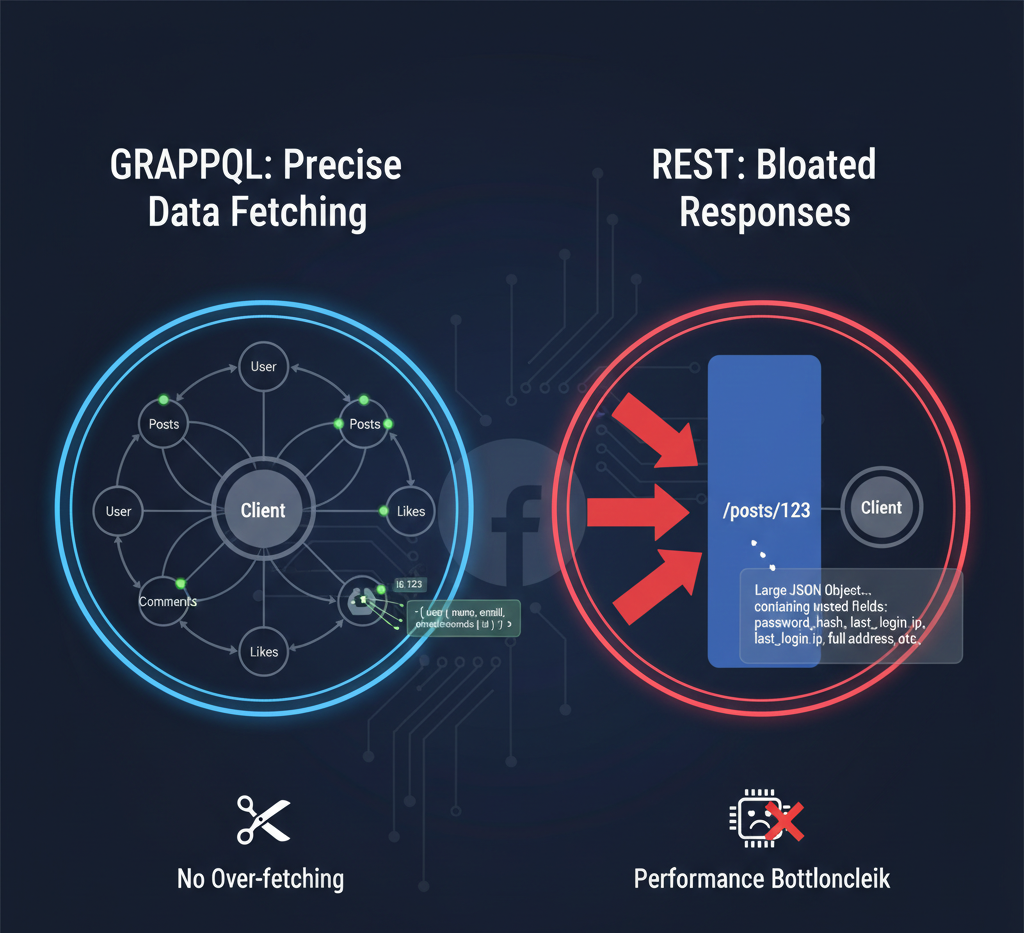
Drawbacks? It's not great for real-time (polling sucks) or deeply nested data – over-fetching bloats payloads. If your app needs chat-like updates or custom queries, REST might feel clunky. Still, for 80% of web services, it's the sweet spot – predictable and browser-friendly.
GraphQL: Precision Querying for Complex Data
GraphQL flipped the script when Facebook birthed it in 2015 – it's a query language letting clients dictate exactly what data they want, no more, no less. Say goodbye to over-fetching in REST; a single endpoint serves tailored responses. Perfect for mobile apps or complex UIs where bandwidth matters, like social feeds pulling nested comments and likes.
From my integrations, it's a joy for frontend devs – one query grabs it all. But beware the learning curve: schema design takes finesse, and server-side resolvers can strain under heavy loads if not optimized. N+1 problems lurk if you're sloppy. I've used it for dashboards pulling from multiple sources – efficient, but plan for caching.
gRPC: High-Performance for Microservices
gRPC is the speed demon, born from Google, using Protocol Buffers for compact binary serialization over HTTP/2. It's bidirectional, supports streaming, and crushes REST in latency – ideal for microservices chatting internally, like Netflix's ecosystem coordinating services.
I've deployed gRPC in backend-heavy setups; multiplexing streams over one connection is a game-changer for efficiency. Downside? Browser support is spotty without proxies, so it's more backend-to-backend than client-facing. If performance is your bottleneck, though, it's worth the proto file hassle.
WebSocket: Real-Time Bidirectional Communication
For live magic, WebSocket reigns – it dials up persistent, full-duplex connections over a single TCP socket, ditching HTTP's request-response for instant pushes. Think chat apps, stock tickers, or multiplayer games where low-latency matters. I've built notification systems with it; the thrill of messages popping without refreshes is addictive.
Pitfalls? It's heavy if you don't need real-time – maintaining connections drains resources. Security tweaks (wss://) are musts. If your app's mostly pull-based, stick to polling or long-polling instead.
Webhook: Event-Driven Asynchronous Hooks
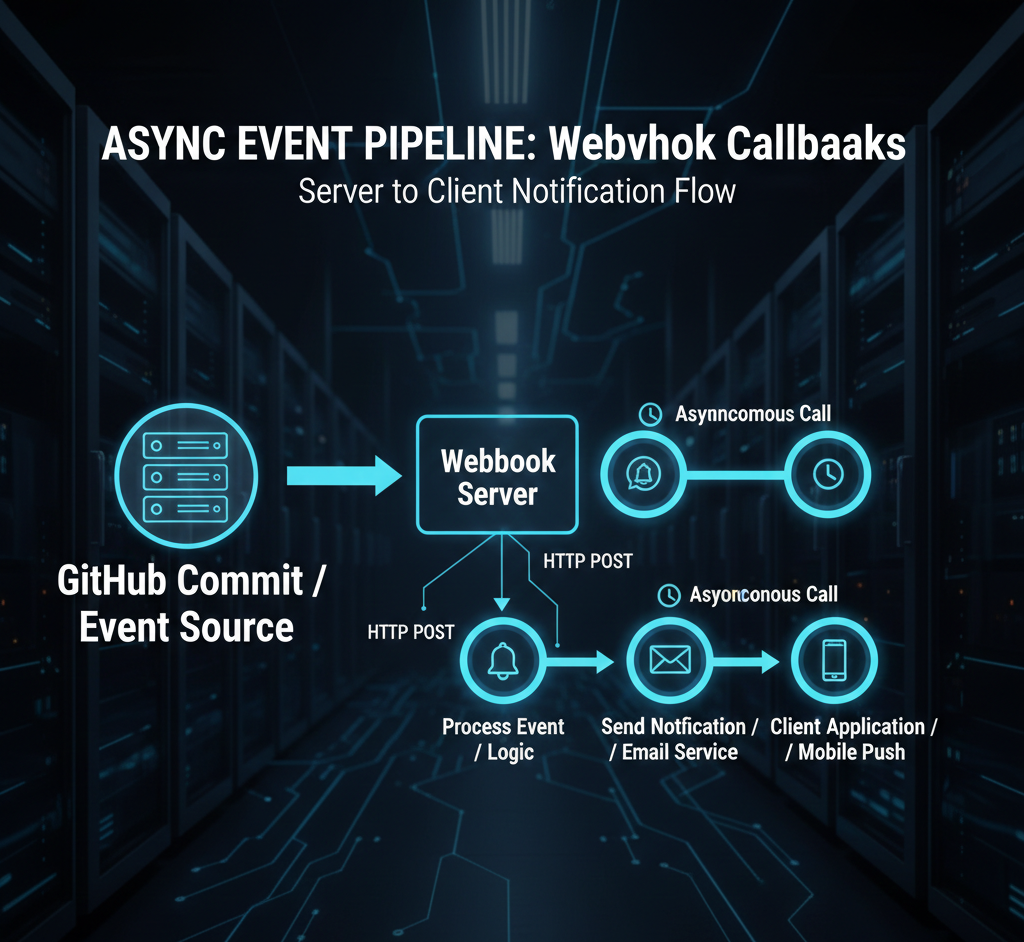
Webhooks flip the script: instead of polling, servers callback your endpoint on events. It's HTTP-based, async, and shines for integrations like GitHub notifying on pushes or Stripe on payments. Event-driven bliss – efficient, scalable for sporadic updates.
From my webhook-heavy apps, it's a set-it-and-forget-it dream, but ensure idempotency for retries. Not for sync needs; delays can occur. If immediate responses are key, look elsewhere.
Conclusion
No API style is supreme – SOAP for ironclad security, REST for simplicity, GraphQL for finesse, gRPC for speed, WebSocket for live vibes, Webhook for events. Tailor to your project's pulse; I've mixed them in hybrids for wins. In 2026's API jungle, experiment wisely – the right choice amplifies your app.