Introduction
Ever watched a monolithic app buckle under growth, with every change risking the whole system? As a dev who's shepherded teams through that chaos, microservices architecture feels like a breath of fresh air – it breaks apps into loosely coupled services, each owning a slice of functionality. Think shopping cart as one service, user profiles another. But it's not all sunshine; get it wrong, and you're juggling a distributed nightmare.
Here's the thing: in 2026's fast-paced dev world, where teams scale globally and apps handle petabytes, understanding microservices isn't optional. This post demystifies what they are, how they communicate and deploy, the info-hiding magic (and DB gotchas), essential components like API gateways, and crucially, when to use them (spoiler: not for startups). I've migrated monoliths to micros multiple times – the wins are huge, but so are the lessons. If you're debating a shift or just curious, let's dissect this architecture. You'll walk away knowing if it's your next move.
Definition and Characteristics: Building with Loose Coupling
At its core, microservices empower large teams to craft scalable apps by divvying up work into dedicated services – each tackling a "domain" like payments or recommendations. Services are loosely coupled, chatting via slim interfaces that minimize failure ripple effects. If one crashes, others hum along.
You might wonder, why bother? It lets teams own end-to-end, from code to deploy, speeding innovation. Examples? Netflix's chaos engineering or Amazon's service mesh. In my projects, this isolation turned deployment dread into daily pushes – but only with solid interfaces.
Communication Methods: RPC vs Event Streaming
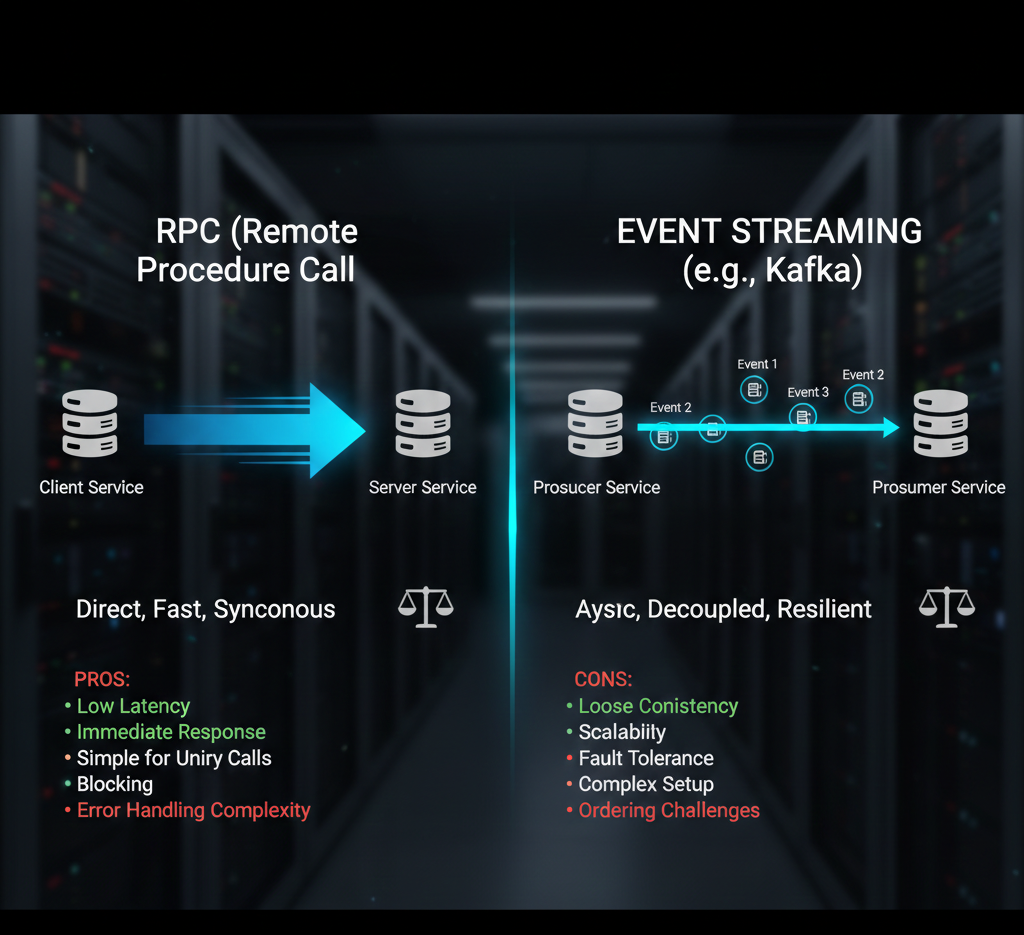
Services don't live in silos; they talk. Options: RPC for quick sync calls (fast but if one's down, blast radius grows), or event streaming/message brokers (async, isolated, but slower processing).
I've leaned on Kafka for events in high-volume systems – decouples beautifully, but latency adds up for user-facing stuff. RPC (gRPC or REST) wins for speed, but I've added circuit breakers to tame failures. Choose based on needs: sync for immediacy, async for resilience.
Independent Deployment and Scaling: Flexibility at Its Best
The killer feature? Deploy and scale services solo – crank up the cart service during sales without touching auth. It's horizontal scaling heaven.
In practice, I've seen teams release features faster, but it demands CI/CD maturity. No more monolith monsoons; targeted updates mean less risk. Just ensure monitoring catches inter-service hiccups.
Information Hiding and Database Management: The Double-Edged Sword
Microservices enforce strong info hiding – each owns its data, often splitting a monolithic DB into per-service stores. Pros: Autonomy, tailored tech (SQL for transactions, NoSQL for scale).
Con? No more DB-enforced integrity like foreign keys; apps handle that, risking inconsistencies. I've debugged orphaned data from this – use sagas or eventual consistency wisely. It's a trade-off: freedom for complexity.
Critical Components: The Glue Holding It Together
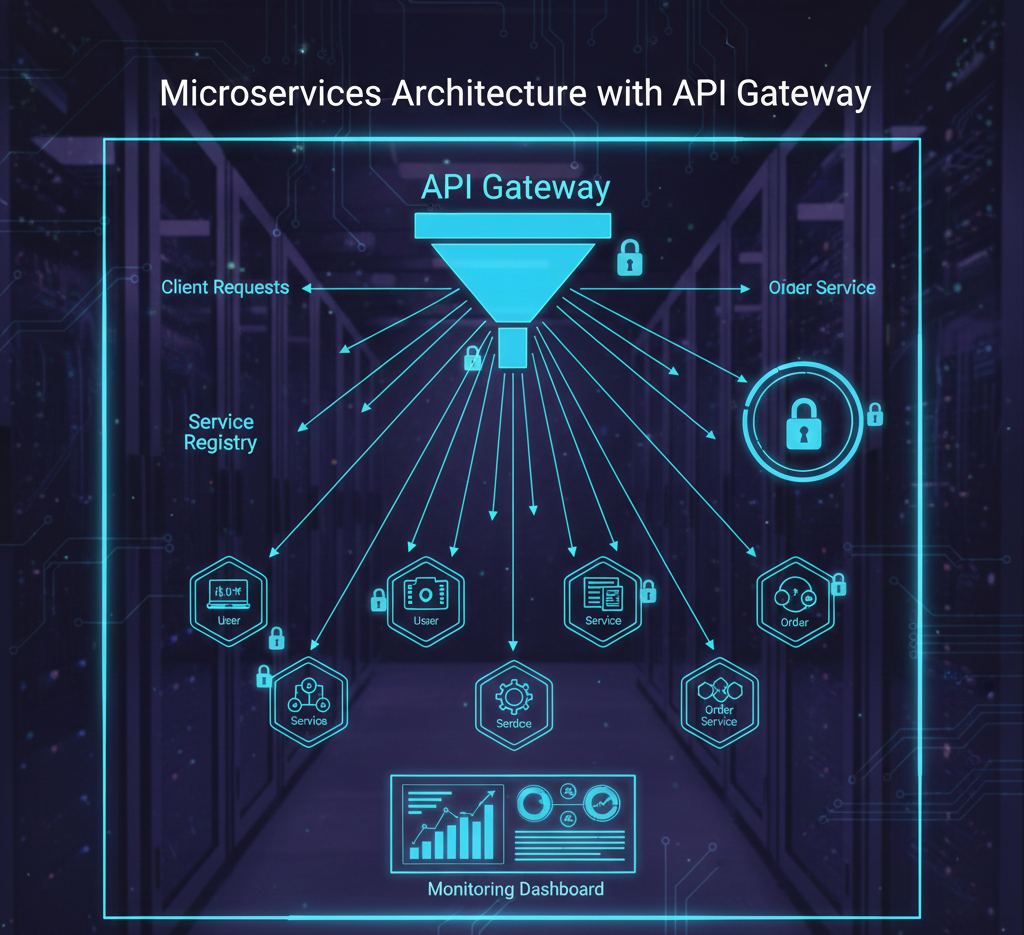
No microservices without support cast. API gateway routes requests, acting as entry point – think Kong or Zuul, handling auth via identity providers.
Service registry/discovery (Consul, Eureka) lets services find each other dynamically. Add monitoring (Prometheus) and alerting for sanity.
DevOps tooling? Essential – I've relied on Kubernetes for orchestration. Skip these, and your micros become a management mess.
When to Use Microservices: Not for Every Team
Microservices aren't free – high build/ops costs suit large teams craving independence and speed. For startups? Overkill; stick to monoliths until pain hits.
Advice from my scars: Design with interfaces for future splits. I've seen small teams drown in micro-overhead; grow first, then decompose.
Conclusion
Microservices unlock scalable, team-friendly apps via loose services, smart comms, and independent ops – but weigh the complexity. From my migrations, they're gold for big setups, headache for small. Nail the components, and you're golden.